Allen-Bradley MPL-B680H-SJ72AA Servo Motor Overheating Troubleshooting Guide
Time:2026-10-16 Browse: 4
Diagnosing Overheating in the Allen-Bradley MPL-B680H-SJ72AA Servo Motor
Allen-Bradley MPL-B680H-SJ72AA servo motor overheating can result from excessive mechanical loading, unsuitable drive tuning, frequent acceleration cycles, restricted heat dissipation, or incorrect motor-drive configuration. A hot motor does not automatically indicate winding damage, so troubleshooting should begin with operating conditions and drive diagnostics before the motor is removed.
The MPL-B680H-SJ72AA is a low-inertia brushless servo motor with a 215 mm frame, 203.2 mm magnet stack length, and 3500 RPM rated speed. Its actual temperature depends on the load, duty cycle, ambient conditions, mounting arrangement, and drive settings. The rated speed alone does not establish whether a particular operating cycle is thermally acceptable.
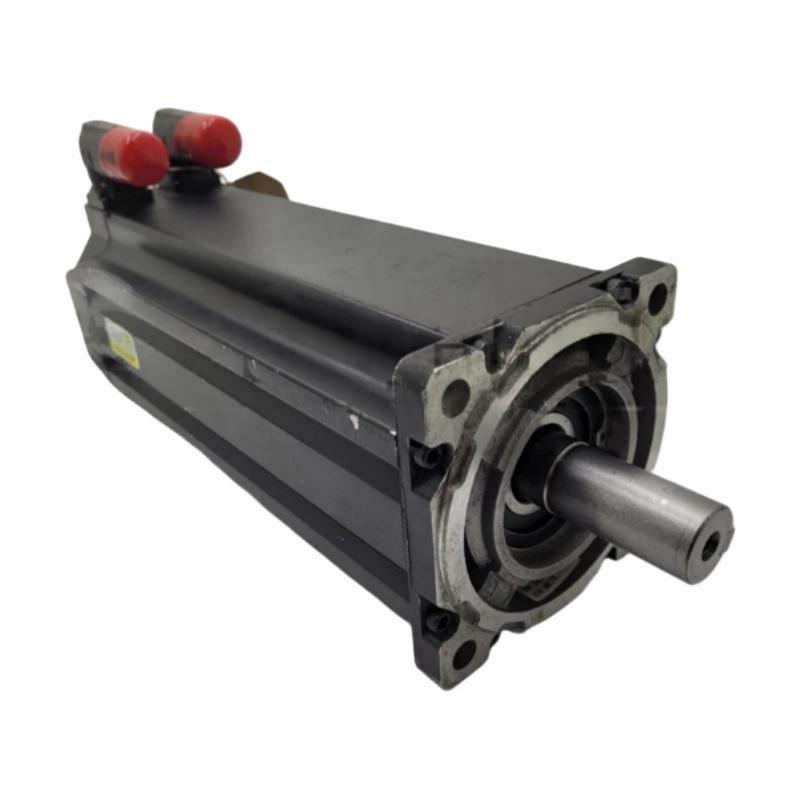
MPL-B680H-SJ72AA Overheating Symptoms and Operating Evidence
An overheating problem may develop gradually rather than trigger an immediate drive fault. Common observations include a hotter-than-normal motor housing, rising motor current, thermal alarms, reduced availability during demanding motion cycles, or a fault that appears after extended operation.
Record when the temperature rises and how the axis is being used. A motor that becomes hot during repeated high-acceleration moves may have a different underlying problem from one that heats up while stationary under a sustained load.
The initial assessment should include:
Drive-reported motor current and thermal status.
Ambient temperature and motor mounting conditions.
Acceleration, deceleration, and cycle frequency.
Load inertia and mechanical resistance.
The exact motor and drive configuration.
Compare these observations with the application specification and the manufacturer's operating limits. Do not use touch alone to determine whether a motor has exceeded its permitted temperature.
Fault Diagnosis: Determine Whether the Load or Drive Is Responsible
Begin with the drive's fault history and available motor-load diagnostics. Compare current and thermal indications during a representative cycle with the machine's normal baseline.
If current remains elevated throughout motion, inspect the driven mechanism for excessive friction, binding, misalignment, or an unexpected load. If current rises mainly during acceleration, review the reflected load inertia, acceleration settings, and duty cycle.
If the motor heats up while the mechanism is stationary, determine whether the drive is maintaining substantial holding torque. Because the MPL-B680H-SJ72AA has no integral holding brake, the application must not rely on an assumed internal brake to support a stationary load.
Next, verify the configured motor catalog number and drive compatibility. Incorrect motor data or unsuitable control parameters can affect current regulation and thermal behavior. Do not change tuning parameters indiscriminately; preserve the original configuration and make controlled changes only after identifying the relevant evidence.
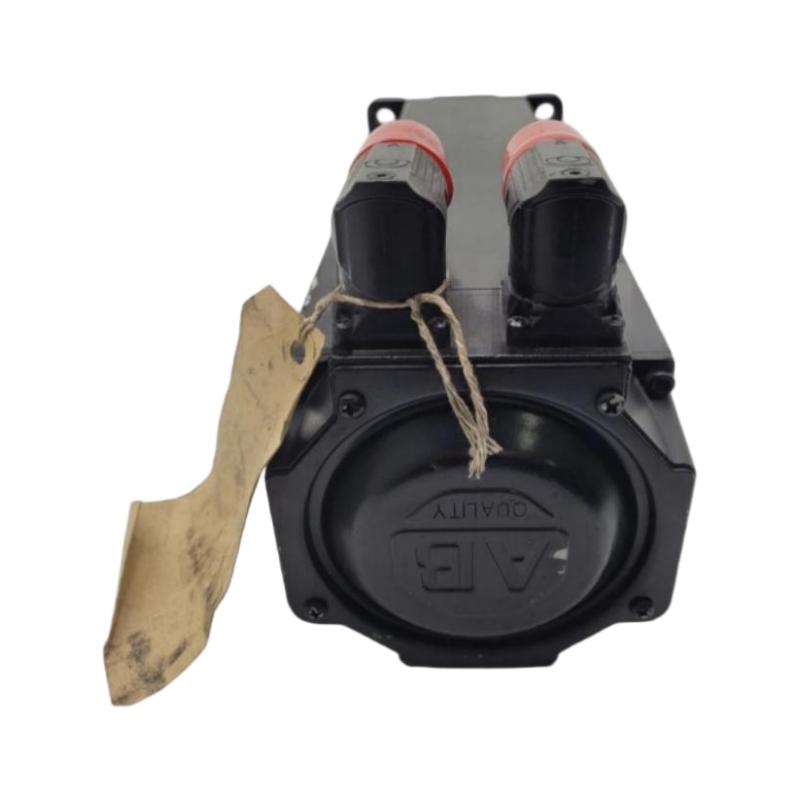
Field Troubleshooting Example: Temperature Rises After Repeated Acceleration
In a representative maintenance scenario, an axis operates normally at low speed but develops a thermal alarm after repeated high-acceleration movements.
The engineer compares motor current during acceleration and steady-speed operation. If current is disproportionately high during acceleration, the next checks include load inertia, acceleration limits, mechanical friction, and the machine's duty cycle.
If current remains high even when the axis moves steadily, mechanical resistance and motor-drive compatibility deserve closer attention. If current appears normal but temperature continues to rise, inspect the mounting arrangement, ambient conditions, heat transfer, and the available thermal diagnostic information.
This is an illustrative Fault Diagnosis process, not a verified field-service case. Actual current, temperature, and recovery time must be obtained from the installed equipment.
Mechanical Inspection for MPL-B680H-SJ72AA Thermal Problems
Mechanical faults can create additional torque demand that is mistakenly attributed to an electrical problem. Inspect the coupling, shaft key, gearbox, belt tension, and driven mechanism under the approved isolation procedure.
Look for evidence of binding, uneven movement, damaged bearings, excessive preload, or misalignment. Where appropriate, compare the mechanism's movement and resistance with its documented baseline.
The motor's low-inertia design supports dynamic motion, but it does not eliminate the effects of excessive load inertia or poor mechanical installation. A machine with a large reflected load may require different acceleration settings or a revised mechanical arrangement.
Do not disconnect a coupled motor and run it unloaded as an improvised test unless the machine procedure specifically permits it. Uncontrolled motion can introduce additional hazards and may not reproduce the conditions that caused the fault.
Electrical and Drive Configuration Checks
If mechanical inspection does not explain the overheating, review the electrical installation and drive configuration.
Verify the motor power connections, grounding, cable condition, feedback integrity, and configured motor identity. Inspect drive diagnostics for current-regulation, feedback, or thermal-related faults. Incorrect feedback information can affect axis control, while unsuitable tuning may create oscillation and unnecessary torque demand.
Review the motion profile as well. Repeated reversals, short cycle times, and aggressive acceleration can increase RMS current even when peak current remains within a permitted limit. Compare the actual duty cycle with the motor and drive application ratings rather than judging suitability from rated speed alone.
Any electrical testing must follow the manufacturer's isolation and discharge requirements. Do not open the motor or apply unauthorized test voltages to its feedback circuitry.
Corrective Actions and Recovery Validation
Once the cause has been identified, make the smallest justified correction. This may involve correcting mechanical alignment, repairing a damaged cable, restoring the correct motor configuration, or adjusting the motion profile within the manufacturer's limits.
Repeat the original operating cycle under controlled conditions. Record motor current, thermal indications, ambient conditions, and any drive alarms. Confirm that the motor no longer exhibits the abnormal behavior and that the change has not introduced position error or unstable motion.
If overheating continues despite verified loading, wiring, and configuration, further assessment by an authorized servo-motor repair specialist may be necessary. Winding insulation, bearing condition, and internal motor damage should not be inferred from temperature alone.
Long-Tail Keywords for MPL-B680H-SJ72AA Overheating Troubleshooting
Engineers searching for Allen-Bradley MPL-B680H-SJ72AA servo motor troubleshooting information should focus on:
MPL-B680H-SJ72AA servo motor overheating diagnosis.
Allen-Bradley MP-Series high motor current troubleshooting.
MPL-B680H-SJ72AA drive tuning and thermal faults.
Allen-Bradley servo motor mechanical load inspection.
MPL-B680H-SJ72AA motor temperature and duty-cycle analysis.
An effective Troubleshooting report records the operating conditions, observed current and temperature data, drive fault history, mechanical inspection findings, and post-repair validation results. This evidence-based approach helps distinguish excessive loading from configuration problems, cooling limitations, and possible internal motor damage.