ABB Showcases Future Energy Innovations at “Energy Development and Industrial Ecosystem Summit”
Time:2026-07-05 Browse: 21
ABB Highlights Next-Generation Energy Solutions at Industry Ecosystem Summit
ABB hosted its “Energy Development and Industrial Ecosystem Summit,” bringing together more than one hundred experts and representatives from the energy, power, renewable energy, data center, engineering, and EPC sectors. The summit focused on key industry trends such as the construction of new power systems during China’s 15th Five-Year Plan period, new energy storage applications, AI-driven data center infrastructure, energy-computing coordination, and global EPC expansion strategies for Chinese enterprises.
Through keynote speeches, case studies, and panel discussions, participants explored practical pathways for digitalization and decarbonization of the energy industry. The event emphasized collaborative innovation across the industrial chain to support high-quality and sustainable development.
AI-Powered Zero-Carbon Campus Energy Orchestration System
One of the key highlights of the summit was ABB’s AI-driven zero-carbon campus multi-agent orchestration system, designed for intelligent energy management in complex distributed energy environments.
The system leverages multi-agent collaboration and model predictive control (MPC) technology to enable autonomous decision-making under fluctuating energy conditions. It continuously optimizes energy dispatch by balancing economic efficiency, operational safety, and carbon reduction targets.
By integrating physics-based models with real-time operational data, the system can dynamically analyze photovoltaic efficiency and energy usage potential. According to ABB’s demonstration results, the solution can:
Reduce overall energy consumption by approximately 5%
Lower operational costs by 15–20%
Increase renewable energy utilization to over 80%
In addition, the platform includes real-time monitoring of microgrid systems combined with degradation mechanism analysis. This enables multi-dimensional anomaly detection across different time scales, allowing early identification of potential faults before they escalate into system failures.
The solution is designed for minimal manual intervention and supports rapid replication across different industrial parks, making it suitable for scalable deployment in future smart energy ecosystems.
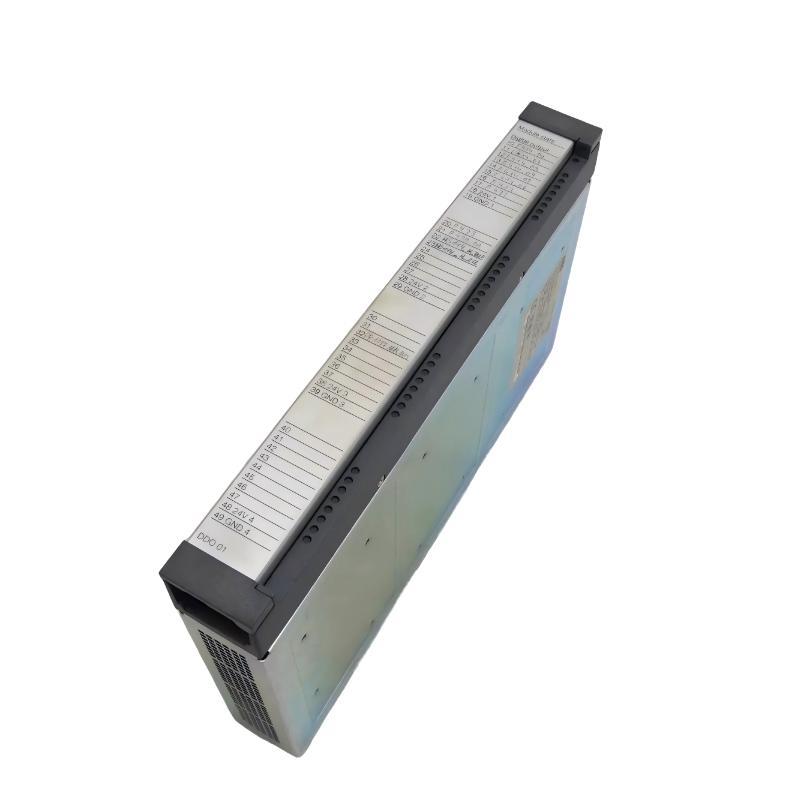
Full DC Power Distribution and Protection Solution
ABB also introduced its full DC (direct current) power solution, developed to support emerging applications such as renewable integration, data centers, and industrial DC distribution networks.
The solution adopts a dedicated DC design architecture and integrates advanced protection technologies, including high breaking capacity and magnetic arc extinguishing mechanisms. It supports quick installation and easy maintenance through modular clip-on structures.
Key advantages include:
High current and high-voltage DC compatibility
Simplified power architecture with reduced system complexity
Lower investment and operational costs
Reduced self-consumption and improved energy efficiency
Enhanced power quality performance
Easier maintenance and reduced lifecycle service costs
ABB’s DC portfolio covers both primary DC protection systems and secondary control equipment, enabling the construction of complete DC power distribution and protection networks.
This solution is particularly relevant for next-generation data centers, renewable energy hubs, and industrial electrification scenarios where efficiency, stability, and sustainability are critical requirements.
Industry Focus: New Power Systems, Storage, and Global EPC Expansion
The summit also addressed broader industry topics such as:
Development of new power systems aligned with carbon neutrality goals
Large-scale deployment of energy storage technologies
AI integration in data center energy management (AIDC)
Energy-computing synergy models
International expansion strategies for EPC contractors
These discussions reflect the accelerating transformation of the global energy sector toward digitalization, decentralization, and low-carbon operations.
Conclusion
ABB’s Energy Development and Industrial Ecosystem Summit demonstrated a clear focus on intelligent energy systems and integrated digital-physical solutions. With innovations such as AI-driven zero-carbon campus optimization and advanced DC power infrastructure, ABB continues to support the transition toward smarter, cleaner, and more efficient energy ecosystems.
As global industries move toward carbon neutrality and digital transformation, such technologies are expected to play a key role in shaping the next generation of power systems and industrial infrastructure.