Schneider Electric Reports Strong Progress on Impact 2030 Sustainability Roadmap in First Half of 20
Time:2026-08-17 Browse: 19
Schneider Electric has reported significant progress in the first half of 2026 under its Impact 2030 sustainability roadmap, highlighting continued advances in electrification, industrial transformation, workforce development and local community engagement.
The company’s Impact 2030 composite score reached 3.69 points in the first half of 2026, moving toward its full-year target of 4.20 points. The scoring system is based on four strategic pillars: Electrify, Reshape, Innovate and Act Locally. The program measures both Schneider Electric’s operational progress and the broader impact created for customers, suppliers and communities.
Electrification Remains a Key Sustainability Driver
Electrification and digitalization remain central to Schneider Electric’s approach to energy transition.
During the first half of 2026, Schneider Electric reduced its Scope 1 and Scope 2 carbon emissions by 82% compared with its 2017 baseline. Scope 3 emissions were reduced by 12% compared with the 2021 baseline.
The company also reported substantial environmental benefits generated through its solutions. During the first half of 2026, Schneider Electric solutions helped customers save and electrify approximately 129.5 million MWh of energy and reduce or avoid more than 50 million tonnes of CO2 emissions.
Since 2018, the company estimates that its solutions have helped customers reduce or avoid a cumulative 913 million tonnes of CO2 emissions.
Digital energy management is also becoming increasingly important. As of the first half of 2026, approximately 29% of Schneider Electric’s eligible software portfolio could provide customers with energy and carbon management insights to support operational and investment decisions.
For industrial users, these developments demonstrate the growing connection between automation, energy management and sustainability. Industrial control systems, power management technologies and digital monitoring platforms are increasingly being used together to improve both production efficiency and energy performance.
Schneider Electric Expands Circular and Green Product Design
Schneider Electric is also integrating sustainability requirements into product development and supply chain management.
Under its new Future-designed framework, 27% of the company’s major products currently in the design stage had adopted advanced circular and green design principles during the first half of 2026.
The framework builds on Schneider Electric’s more than two decades of experience in ecodesign and incorporates approaches developed through its EcoDesign Way, Green Premium and Environment Data Program initiatives.
The focus on circular design is particularly relevant to industrial equipment manufacturers and users. Product lifecycle management, material efficiency, repairability and environmental data are becoming increasingly important considerations when selecting electrical and automation equipment.
Supplier Decarbonization Program Expands
Supply-chain emissions remain one of the more challenging areas of industrial sustainability.
Schneider Electric has upgraded its supplier decarbonization initiative to Zero Carbon Project 2.0, expanding its coverage to approximately 1,500 suppliers. The updated program also incorporates Scope 3 emissions calculations and product carbon footprint assessments.
During the second quarter of 2026, 15 suppliers met the program’s requirements. These suppliers completed Scope 1 and Scope 2 emissions calculations for their own operations, established reduction targets and began addressing indirect emissions through Scope 3 or product carbon footprint calculations.
During the first half of the year, Schneider Electric conducted more than 200 online technical training and support sessions and introduced AI-enabled digital tools to more than 1,000 suppliers.
For the global industrial automation supply chain, such programs reflect a broader shift toward measuring environmental performance beyond the factory itself. Suppliers of electrical components, automation systems and industrial equipment are increasingly expected to provide reliable emissions data and demonstrate progress toward carbon reduction targets.
Workforce Development and Energy Access
Schneider Electric’s Impact 2030 program also focuses on skills development and equal access to opportunities.
During the first half of 2026, 16% of senior employees participated in structured talent development or knowledge-transfer programs. The company has established initiatives covering reskilling, mentoring, internal mobility and expert development.
Schneider Electric’s Senior Talent Program was recognized by the World Economic Forum as an Inclusive Future Lighthouse during the second quarter of 2026.
The company also reported that its solutions have provided access to clean electricity for approximately 67 million people since 2009. In the second quarter of 2026 alone, more than 2.2 million people benefited from these initiatives.
Since 2009, Schneider Electric said it has helped approximately 1.37 million young people develop technical skills related to energy management, electrification and automation.
These initiatives are closely connected with the industrial automation sector, where demand for qualified engineers and technicians continues to increase as factories adopt more advanced electrical, control and digital technologies.
Five More Workplaces Receive Impact Workplace Certification
Schneider Electric is also expanding its sustainability efforts at its own facilities.
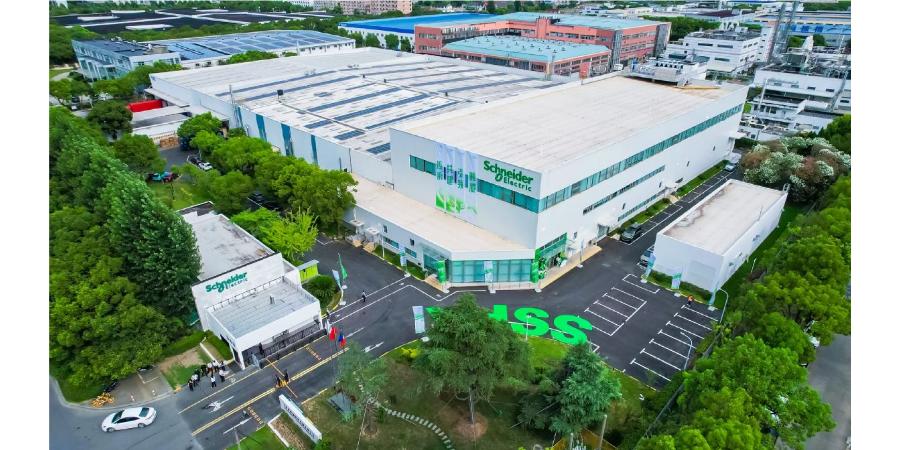
During the first half of 2026, five workplaces received certification through the company’s Impact Workplaces program. The program evaluates facilities across areas including energy efficiency, decarbonization and the circular economy, while also considering biodiversity and local community impact.
The initiative builds on Schneider Electric’s long-term experience with sustainable workplace management and extends the assessment beyond traditional energy and emissions indicators.
For industrial facilities, this broader approach reflects the increasing integration of energy efficiency, environmental management and digital technologies into factory operations.
Schneider Electric Receives Multiple Industry Recognitions
The company also received several external recognitions during the second quarter of 2026.
Schneider Electric was ranked first for the third consecutive year in the joint TIME and Statista ranking of the World’s Most Sustainable Companies. It also retained the top position in Gartner’s Global Supply Chain Top 25 for the fourth consecutive year.
The company’s Senior Talent Program was named an Inclusive Future Lighthouse by the World Economic Forum. Schneider Electric’s El Paso factory in the United States and Beijing campus in China were also recognized in the latest World Economic Forum Lighthouse Network.
Schneider Electric now has 11 Lighthouse factories globally, including six Sustainability Lighthouse factories.
What the Impact 2030 Progress Means for Industrial Automation
Schneider Electric’s latest sustainability results highlight a broader trend across the electrical and industrial automation industry: sustainability is increasingly becoming part of equipment design, factory management and supply-chain decisions rather than a separate corporate initiative.
Electrification, industrial digitalization, energy monitoring, automation and carbon management are becoming increasingly interconnected. For manufacturers, this creates demand for technologies such as industrial automation controllers, variable frequency drives, energy management systems, power distribution equipment, sensors and industrial software.
The progress reported in the first half of 2026 also shows that Schneider Electric is continuing to connect its sustainability strategy with its core electrical and automation business.
As global manufacturers continue to improve energy efficiency and reduce emissions, the integration of automation and energy technologies is likely to remain an important area of investment through 2030.
Outlook
Schneider Electric’s first-half 2026 results indicate that its Impact 2030 roadmap is moving forward across both internal operations and its wider industrial ecosystem.
The company’s progress in emissions reduction, customer energy savings, circular product design, supplier decarbonization and workforce development provides an indication of how sustainability requirements are evolving across the electrical and automation sector.
For industrial equipment buyers and suppliers, the trend is clear: energy efficiency, carbon management, lifecycle performance and digitalization are becoming increasingly important alongside traditional requirements such as reliability, compatibility and cost.