Schneider Electric: Green Design Is Becoming the Starting Point for Sustainable Industrial Automatio
Time:2026-08-17 Browse: 18
Schneider Electric is putting greater emphasis on green design as an important starting point for product decarbonization, as manufacturers face increasing pressure to reduce environmental impact across the entire product lifecycle.
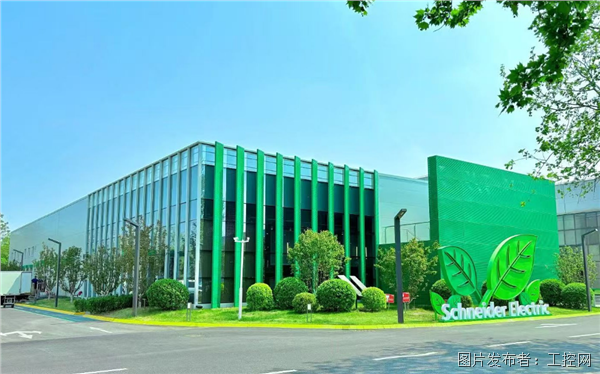
The company’s Beijing manufacturing site was recently recognized by the World Economic Forum (WEF) as a Global Lighthouse site for its progress in end-to-end sustainability. Schneider Electric said the Beijing site has combined digital technologies, AI-enabled energy optimization, SF₆-free product design and supply-chain decarbonization to reduce emissions while supporting business growth.
The development highlights a broader trend in the electrical and industrial automation industry: sustainability is increasingly being addressed during product design rather than only after manufacturing.
Green Design Starts Before Production
Green design means incorporating environmental objectives into the product development process from the beginning.
Instead of attempting to reduce environmental impact after a product has already been manufactured, engineers can consider material selection, product structure, manufacturing processes, energy consumption, maintenance and end-of-life treatment during the design stage.
For industrial automation and electrical equipment, this approach can influence the complete lifecycle of products such as medium-voltage switchgear, circuit breakers, drives, power distribution equipment, automation controllers and digital energy management systems.
Schneider Electric has increasingly incorporated circularity and environmental performance into its product development framework. Under its Future-designed framework, the company has been working to integrate circular and environmental considerations into major offers during the design phase. In the first quarter of 2026, 14% of major offers in the design phase were already demonstrating circular and environmental excellence.
The company has set a longer-term target for 100% of major offers in design to demonstrate circular and environmental excellence under its current sustainability strategy.
SF₆-Free Technology Shows the Value of Design-Level Decarbonization
One of the most visible examples is the development of SF₆-free medium-voltage equipment.
Sulfur hexafluoride, commonly known as SF₆, has traditionally been used as an insulating and switching medium in some medium-voltage electrical equipment. Because of its very high global warming potential, reducing or eliminating SF₆ can have a significant environmental impact.
Schneider Electric has developed alternatives based on pure air for selected medium-voltage applications. The company says its Beijing site has focused on SF₆-free solutions while using digital technologies and its EcoStruxure platform as part of a broader decarbonization strategy.
The Beijing site deployed more than 50 sustainability-related use cases, including SF₆-free product design, supplier decarbonization programs, AI-enabled energy optimization and SF₆ circularity initiatives.
According to Schneider Electric, these measures contributed to a 65% reduction in Scope 1 emissions, the elimination of Scope 2 emissions and a 43% reduction in Scope 3 emissions at the Beijing site, while energy efficiency improved by 36%.
This provides an important example for industrial equipment manufacturers. A change made at the engineering stage can affect emissions well beyond the factory where the equipment is produced.
Why Green Design Matters to Industrial Automation
Green design is increasingly connected with the development of modern industrial automation.
Automation equipment is no longer evaluated only according to conventional technical specifications such as rated voltage, current, switching capacity, communication protocols or control performance. Energy consumption, product lifetime, maintenance requirements, material composition and environmental impact are becoming additional considerations.
For example, a variable frequency drive can influence the energy efficiency of a motor-driven system throughout its operating life. Similarly, the design of a circuit breaker or switchgear system can influence the materials used, insulation technology, maintenance requirements and end-of-life treatment.
This means that sustainability can become part of the engineering decision-making process rather than simply a corporate reporting issue.
Circular Design Extends the Product Lifecycle
Another important element of green design is circularity.
Schneider Electric describes circularity as an approach that aims to keep products and materials in use for longer through better design, longer service life, repair, refurbishment, reuse and recycling.
For industrial equipment, longer product life can be particularly important because factories often operate automation systems for many years.
A product designed for easier maintenance or replacement of individual components can potentially reduce the need to replace an entire system. Refurbishment and reuse can also provide alternatives when manufacturers are facing equipment shortages or when older control systems remain operationally suitable.
This is one reason lifecycle considerations are becoming increasingly relevant to industrial automation buyers and distributors.
Digital Tools Are Supporting Green Engineering
Digitalization is also playing a growing role in sustainable product development.
Schneider Electric's Beijing site has combined AI-enabled energy optimization with digital technologies as part of its sustainability program. The company says its Beijing operations use more than 50 advanced use cases covering areas from product design to supply-chain management.
Simulation and digital engineering can help manufacturers evaluate different product configurations before physical production begins.
For industrial automation companies, this can include modeling energy consumption, testing equipment configurations, optimizing production processes and evaluating lifecycle performance.
The combination of artificial intelligence, industrial software and engineering simulation therefore has the potential to make sustainability decisions more measurable and more closely connected to product performance.
Green Design Is Becoming a Supply-Chain Issue
Product sustainability does not stop at the factory gate.
Raw materials, components, transportation, manufacturing and suppliers can all contribute to the environmental footprint of industrial products. As a result, manufacturers are increasingly asking suppliers to provide more detailed environmental information.
Schneider Electric has incorporated supplier decarbonization into its wider Impact 2030 sustainability strategy. Its Zero Carbon Pathway initiative is designed to extend carbon-reduction efforts across the supply chain. In the first quarter of 2026, more than 1,100 suppliers were being engaged in the initiative.
This trend is relevant to suppliers of industrial automation components as well.
Manufacturers of PLCs, servo drives, frequency converters, circuit breakers, contactors, HMIs and other electrical equipment may increasingly need to provide information related to energy efficiency, materials, carbon footprint and product lifecycle.
Schneider Electric's Broader Impact 2030 Strategy
Green design is part of Schneider Electric's broader Impact 2030 sustainability roadmap.
The strategy is organized around four pillars: electrifying the world, reinventing industry, unlocking human potential and empowering local communities.
The company's Impact score reached 3.40 out of 10 in the first quarter of 2026, compared with an annual 2026 target of 4.20 and a 2030 ambition of 10.
The company also reported an 82.5% reduction in Scope 1 and Scope 2 emissions compared with its 2017 baseline in the first quarter of 2026. Its energy management, automation and digital solutions helped customers save or electrify 47.5 million MWh of energy during the quarter.
These figures show how Schneider Electric is linking sustainability with its core businesses in electrification, automation and digital energy management.
What This Means for Industrial Equipment Buyers
For industrial equipment buyers, the growing importance of green design does not mean that conventional technical requirements have become less important.
Reliability, compatibility, availability, lifecycle support and total cost of ownership remain critical when selecting automation and electrical equipment.
However, environmental performance is increasingly becoming another factor in equipment selection.
For new projects, buyers may consider the energy efficiency and environmental footprint of equipment before installation. For existing factories, extending the service life of reliable equipment through maintenance, repair, refurbishment or replacement of individual components can also support resource efficiency.
This creates opportunities for the industrial automation aftermarket, particularly for genuine replacement parts, discontinued components and refurbished equipment that can help extend the operational life of existing systems.
The Direction of Industrial Automation Is Changing
Schneider Electric's experience in Beijing illustrates a larger shift taking place across the electrical and automation industry.
Sustainability is moving upstream—from factory operations and emissions management toward product engineering, materials, manufacturing processes and supply-chain design.
Green design is therefore not simply about making an existing product slightly more environmentally friendly. It is increasingly about reconsidering how electrical and automation products are designed, manufactured, operated, maintained and eventually recovered.
As industrial companies continue to invest in electrification, automation and digitalization, the integration of sustainability into engineering decisions is likely to become an increasingly important competitive factor.
For manufacturers and suppliers in the industrial automation market, the message is straightforward: the future of sustainable equipment begins long before the product reaches the factory floor.