Foxboro RH916ND Fieldbus Communication Fault Diagnosis and Troubleshooting
Time:2026-11-05 Browse: 1
Diagnosing Foxboro RH916ND 2 Mbps Bus Communication Problems
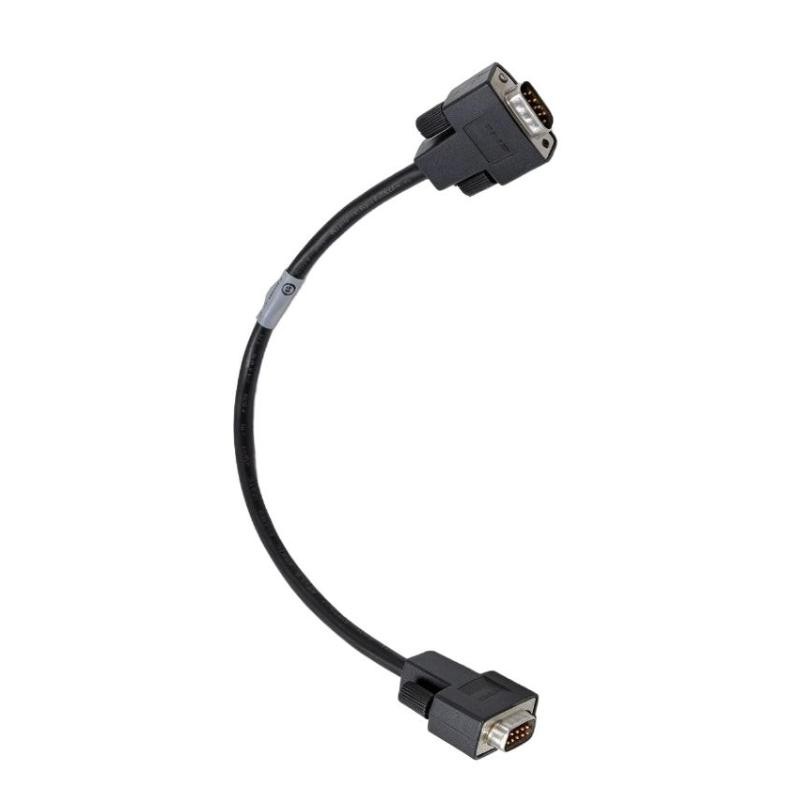
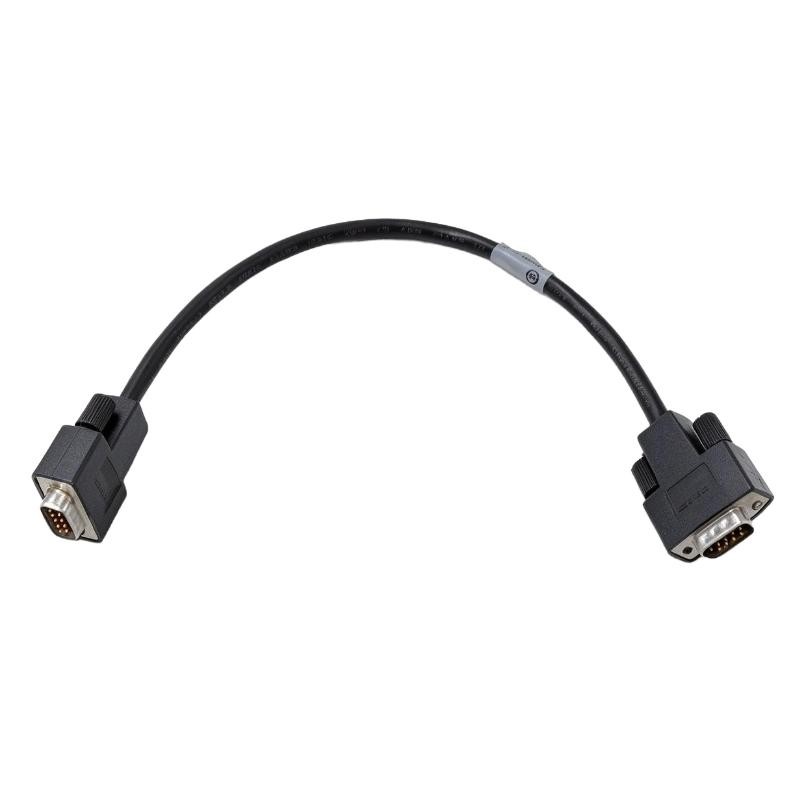
Foxboro RH916ND communication problems should first be investigated at the base-to-base connection level. The RH916ND is a 0.25 m LSZH cable designed for 2 Mbps fieldbus base interconnection, with one cable providing redundancy to the bus.
When a fieldbus communication alarm appears, the cable connection, redundant bus path, and connected base interfaces should be examined before replacing fieldbus modules.
A systematic Fault Diagnosis process helps distinguish physical connection problems from communication architecture or hardware failures.
What Happens When the RH916ND Connection Becomes Unstable?
A problem involving the RH916ND may affect communication between interconnected fieldbus bases.
Depending on the system architecture, possible observations include:
Unexpected fieldbus communication alarms.
Loss of communication with connected base assemblies.
Redundant bus path diagnostics.
Intermittent communication during system startup.
Communication instability following cabinet maintenance.
These symptoms do not independently prove that the RH916ND has failed. Similar behavior can result from an improperly connected cable, a damaged connector, or a problem with the connected fieldbus interface.
A Field-Based Fault Diagnosis Scenario
Consider a representative maintenance case in which a Foxboro system reports a communication alarm after a fieldbus base assembly has been repositioned.
The initial observation is that the communication problem appeared after physical work inside the cabinet.
Instead of immediately replacing the fieldbus modules, the engineer follows the physical communication path.
First observation: Timing of the fault
Determine whether the alarm appeared immediately after installation, after maintenance, or during normal operation.
A fault that starts directly after cabinet work increases the likelihood of an installation or connector-related issue.
Second observation: Redundant bus status
Review the available diagnostics for the redundant communication path.
If the system indicates that redundancy is unavailable while another communication path remains operational, investigate the associated base-to-base interconnection and the relevant bus interfaces.
Third observation: Cable inspection
Inspect the RH916ND for incomplete connector engagement, physical damage, or excessive mechanical stress.
Final comparison: Known-good replacement
Where permitted by the maintenance procedure, substitute a verified compatible cable and compare the communication status.
If the fault disappears, the original cable or its connection becomes a stronger candidate for the root cause.
RH916ND Cable Damage and Redundancy Loss
One important troubleshooting condition is the loss of the intended redundant bus path.
The RH916ND is designed to provide redundancy to the bus, so an interconnection problem should not be evaluated only by checking whether the main system remains operational.
An engineer should distinguish between:
Complete communication failure.
Loss of one redundant communication path.
Intermittent communication errors.
Incorrect base-to-base interconnection.
These conditions have different operational implications.
For example, a system that continues operating after losing redundancy may still be in a degraded condition. Treating this as a normal operating state can leave the installation vulnerable to a subsequent communication failure.
RH916ND Troubleshooting: Separating Cable and Hardware Faults
If cable inspection does not identify an obvious problem, the investigation should move to the connected equipment.
| Diagnostic Observation | Possible Cause | Recommended Investigation |
|---|---|---|
| Communication fails after cable installation | Incorrect connection | Verify the designated base interfaces |
| Redundant bus path is unavailable | Interconnection or bus interface problem | Review redundancy diagnostics |
| Communication becomes intermittent | Connector or cable integrity issue | Inspect and perform approved substitution testing |
| Fault remains after cable replacement | Possible hardware problem | Investigate connected base interfaces |
| Multiple bases report communication alarms | Shared bus or architecture issue | Review the wider fieldbus topology |
A useful diagnostic principle is to change one variable at a time. Replacing the cable, rearranging the bases, and changing configuration parameters simultaneously makes it difficult to identify the actual failure source.
Technical Checks During RH916ND Fault Diagnosis
The RH916ND is a digital fieldbus communication cable, not an analog signal cable.
Consequently, troubleshooting should focus on communication diagnostics rather than assuming that an arbitrary voltage or resistance measurement can establish cable condition.
Recommended inspection records include:
| Inspection Item | Expected Check |
|---|---|
| Part number | RH916ND |
| Cable length | 0.25 m |
| Cable material | LSZH |
| Communication rate | 2 Mbps |
| Connector condition | No visible damage |
| Base connection | Correct interconnection |
| Bus diagnostics | Expected communication status |
| Redundancy status | Normal according to system configuration |
Avoid applying external voltage or performing insulation tests while the cable remains connected to electronic fieldbus equipment. Follow the manufacturer's approved electrical testing procedure.
Recovering Foxboro Fieldbus Communication After Repair
After correcting the suspected fault, restore the system following the approved maintenance and commissioning sequence.
The recovery process should include:
Verify the RH916ND part number and connection arrangement.
Confirm that both cable connectors are securely engaged.
Check the fieldbus base configuration.
Review communication and redundancy diagnostics.
Confirm that the system returns to its expected operating state.
Monitor for recurring communication alarms.
If the original fault remains, investigate the connected base interfaces and the wider fieldbus architecture instead of repeatedly replacing the same cable.
Foxboro RH916ND Troubleshooting: Long-Tail Search Keywords
This guide also covers related technical search topics:
Foxboro RH916ND communication failure troubleshooting
RH916ND 2 Mbps base-to-base cable fault diagnosis
Foxboro fieldbus redundancy loss troubleshooting
Foxboro 0.25 m LSZH cable connection problems
Foxboro Fieldbus Module base communication failure
RH916ND cable replacement and verification
Foxboro redundant fieldbus communication diagnostics
Engineering Assessment of RH916ND Communication Faults
The Foxboro RH916ND is a specialized 2 Mbps base-to-base cable used in fieldbus communication systems. Its role in supporting bus redundancy makes correct installation and connection integrity particularly important.
A reliable Troubleshooting strategy should distinguish between a cable defect, a connector problem, and a fault in the connected fieldbus hardware.
By checking the physical connection first, reviewing redundancy diagnostics, and using controlled replacement testing, engineers can narrow down the failure source without unnecessary module replacement.