ABB Switzerland Files Patent for Secure WebSocket Connection Technology to Improve Network Data Secu
Time:2026-11-05 Browse: 2
ABB Schweiz AG has filed a patent application in China for a method of establishing secure WebSocket connections, highlighting the company's continued exploration of network communication security and data protection technologies.
According to information released by China's National Intellectual Property Administration (CNIPA), the patent application is titled "Methods, Apparatus, Devices, Media and Products for Establishing a WebSocket Connection." It was published under application publication number CN122873150A on October 2, 2026, following its initial filing on April 19, 2024.
A Token-Based Approach to WebSocket Authentication
The patent describes a method designed to improve security when establishing WebSocket connections between clients and servers.
WebSocket is a communication protocol that enables full-duplex data exchange over a single, persistent connection. Unlike traditional HTTP request-response communication, it allows clients and servers to exchange information continuously, making it suitable for applications requiring real-time data transmission.
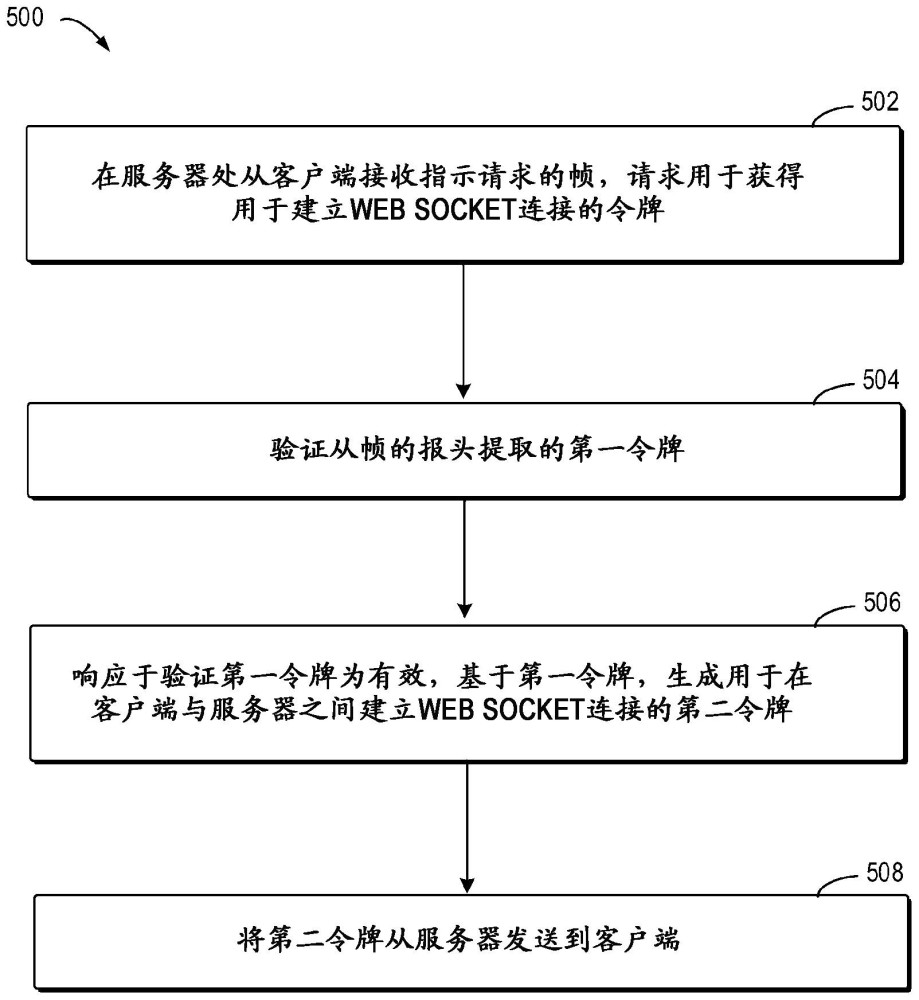
Under the proposed method, a client sends a request frame to a server to obtain a token for establishing a WebSocket connection. The request frame contains a first token in its header, which is used to access the server.
The server then extracts and verifies this first token. If the token is confirmed as valid, the server generates a second token based on the first one and sends it back to the client. The second token is subsequently used to establish the WebSocket connection between the two parties.
This two-stage token mechanism provides an additional authentication step during connection establishment. According to the patent abstract, the approach is intended to help ensure secure data transmission over a network.
Potential Relevance to Industrial Automation
As industrial automation systems become increasingly connected, secure communication between devices, control platforms, servers and remote monitoring systems is an important consideration.
WebSocket technology can support applications that require continuous data exchange, including real-time monitoring interfaces, equipment status updates and network-based industrial applications.
In these environments, authentication mechanisms play an important role in controlling access to communication services and reducing the risk of unauthorized connections.
ABB's proposed token-based approach may offer a useful technical reference for applications that rely on persistent client-server communication. By validating an initial access token before generating a separate token for WebSocket connection establishment, the method introduces a structured authentication process.
However, the patent describes a proposed technical solution rather than confirming its implementation in a specific ABB product or industrial system. Its actual security performance and practical application would depend on the complete system architecture and implementation.
ABB's Continued Focus on Industrial Digitalization
As industrial systems increasingly rely on connected devices, remote access and real-time information exchange, communication security remains an important part of industrial digitalization.
The patent application reflects ABB's ongoing technical exploration in network communication and authentication mechanisms. Although the filing does not establish that the technology has already been commercialized, it highlights the importance of developing secure communication methods for increasingly connected industrial environments.
For industrial automation applications, reliable data exchange and appropriate access control will remain essential considerations as manufacturers continue to advance digital connectivity and intelligent industrial solutions.