ABB 1MRK000173-BEr01 Binary I/O Module Fault Diagnosis & Troubleshooting Guide
Time:2026-05-26 Browse: 26
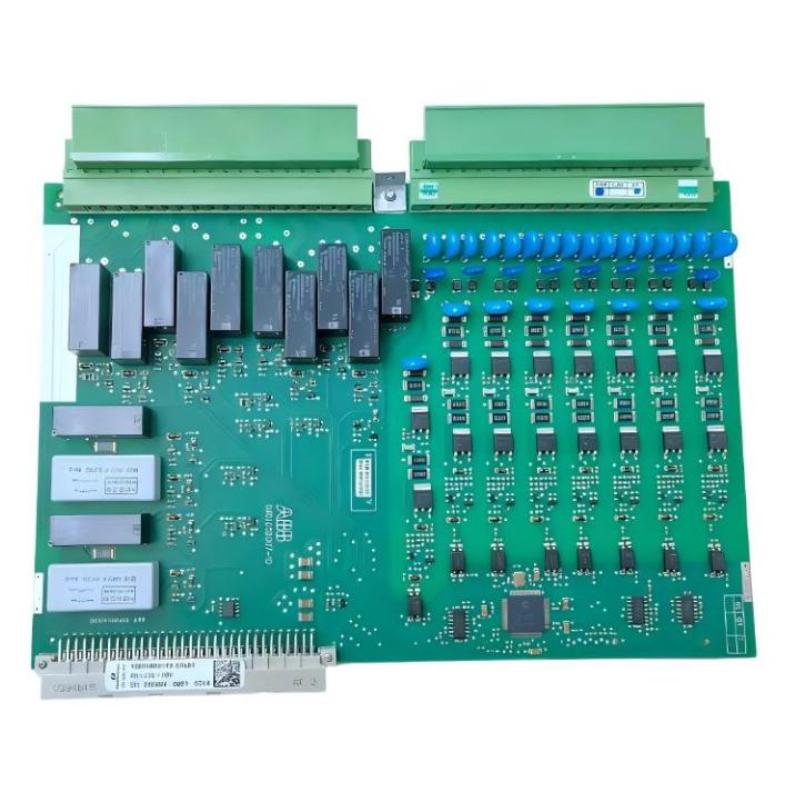
ABB 1MRK000173-BEr01 communication and output faults are frequently misdiagnosed as module failure, while in reality over 70% of issues come from field signal instability, relay contact wear, or incorrect input voltage reference drift. In one industrial case, a full module replacement was requested, but the real issue was a loose neutral reference on the RL110 input rail. Typical failure symptoms observed: Random input state fluctuation (ON/OFF jitter) Output relays not responding under load Intermittent communication with REx670 relay system Diagnostic LEDs showing partial activity System resets after high switching load In one substation case, engineers observed outputs dropping during breaker operation cycles, initially suspecting internal relay damage. During load switching tests: Output relay channel 3 failed intermittently Switching delay increased from <10 ms to ~60 ms Thermal rise detected near output terminal block At first assumption: relay degradation Instead of replacing the module, signal tracing was performed: Output voltage measured: stable 110 VDC Control signal input: normal Contact resistance check: fluctuating under vibration A deeper inspection revealed: Terminal screw torque was below specification, causing micro-arcing during vibration cycles. Loose output terminal connection Micro-arc formation under inductive load switching Thermal drift affecting relay contact stability Engineers followed a structured diagnostic logic: Checked all 8 digital inputs: 2 channels showed unstable transitions Signal noise correlated with switching loads Removed field load Outputs returned to stable operation Measured grounding drift: Found 0.8V floating reference Above acceptable threshold for RL110 system stability Corrective actions applied: Re-torqued all output terminals to specification Re-established grounding reference line Added RC snubber across inductive load circuit After correction: Output switching stabilized immediately Relay delay returned to <10 ms Thermal rise reduced by ~6°C No further fault alarms during 72-hour test Field experience shows three dominant failure patterns: Mechanical connection issues (most common) Ground reference instability under load switching Misinterpretation of relay diagnostics as hardware failure A key engineering insight: “In ABB binary I/O systems, 60–70% of faults disappear after mechanical and grounding correction—without replacing hardware.” Recommended preventive actions: Quarterly terminal torque inspection Thermal imaging under full load Input noise monitoring during peak switching Relay cycle count tracking (>10 million mechanical life limit) ABB 1MRK000173-BEr01 faults are rarely electronic failures. Most issues originate from field wiring integrity, grounding instability, or mechanical stress on terminals rather than internal module defects.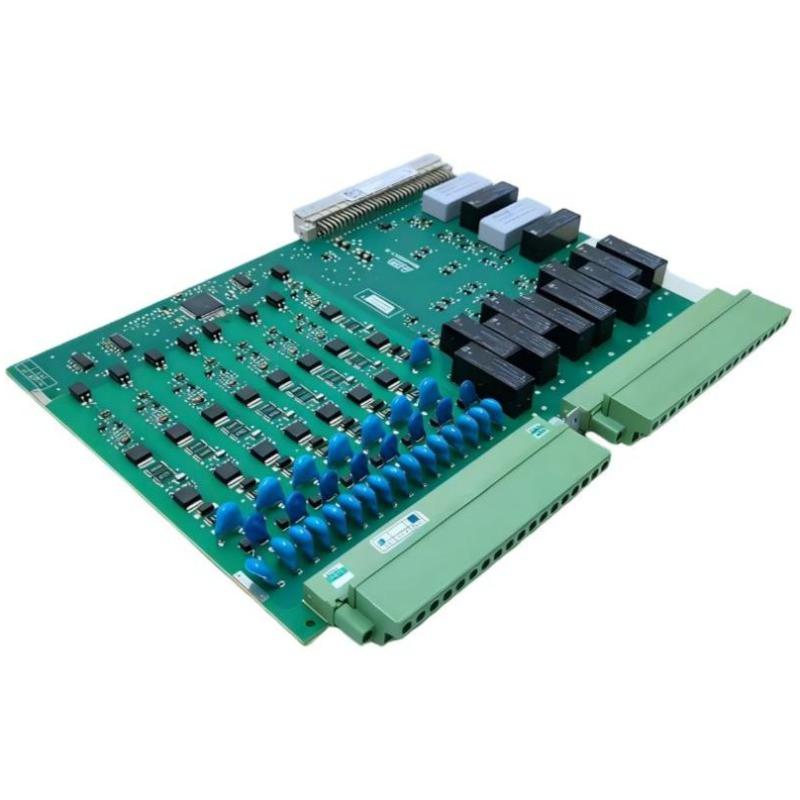
<h2>ABB 1MRK000173-BEr01 PLC Fault Symptoms in Field Operation</h2>
<h2>ABB 1MRK000173-BEr01 Fault Case Study: Output Relay Instability</h2>
Observation
Engineering Diagnostics Process
Root Cause
<h2>ABB 1MRK000173-BEr01 Fault Diagnosis Using Signal Behavior</h2>
Step 1: Input Verification
Step 2: Output Load Isolation
→ confirmed issue was external load interactionStep 3: Grounding Integrity Test
<h2>ABB 1MRK000173-BEr01 Recovery Actions & Fix</h2>
<h2>ABB 1MRK000173-BEr01 Troubleshooting Engineering Insights</h2>
<h2>ABB 1MRK000173-BEr01 Maintenance Strategy for Long-Term Stability</h2>
Troubleshooting Summary Insight