Schneider Electric Urges Europe to Speed Up Electrification and Energy Transition
Time:2026-05-27 Browse: 27
Schneider Electric has called on the European Union to accelerate the implementation of electrification and energy efficiency policies, warning that continued dependence on imported fossil fuels is exposing businesses and households to persistent energy price volatility.
The company emphasized that Europe’s structural energy dependency remains a key vulnerability for its industrial competitiveness and energy security.

Rising Energy Costs Highlight Structural Challenges
According to Schneider Electric, global energy prices are projected to increase by 24% this year, marking the largest rise since 2022. In Europe, energy costs are estimated to be two to four times higher than in other major global regions.
The company noted that approximately 60% of Europe’s energy supply is imported, with the European Union spending around €336.7 billion in 2025 on energy imports.
Schneider Electric argues that improving energy efficiency and accelerating electrification should no longer be viewed solely as environmental initiatives, but as essential pillars for economic resilience and energy security.
Economic Potential of Energy Efficiency and Electrification
The company estimates that if the EU accelerates electrification and efficiency upgrades, it could unlock at least €250 billion in annual economic benefits by 2040 through reduced energy demand and lower fossil fuel dependency.
Key expected benefits include:
Lower industrial and residential energy consumption
Reduced exposure to fossil fuel price volatility
Improved energy system efficiency across sectors
Building Energy Management and Smart Infrastructure
Schneider Electric highlights the importance of deploying large-scale connected building control systems and energy management platforms.
By optimizing heating, ventilation, air conditioning, and lighting systems in real time, total EU energy consumption could be reduced by 5% to 6%.
In addition, the company recommends expanding industrial energy management systems, particularly for small and medium-sized enterprises (SMEs), which could achieve energy savings of up to 30% through low-cost efficiency upgrades.
Policy Acceleration and Regulatory Implementation
The company also calls for faster implementation of existing EU regulations, including the Energy Efficiency Directive and the Energy Performance of Buildings Directive.
Schneider Electric estimates that building automation and control systems alone could save around 450 TWh of final energy annually, reducing energy costs by approximately €36 billion for end users.
Electrification as a Core Energy Strategy
A key focus of the proposal is accelerating electrification across multiple sectors. Schneider Electric notes that Europe’s electrification rate has remained stagnant at around 21%, significantly lagging behind other major economies.
To address this, the company recommends:
Accelerating heat pump deployment, targeting 1 million new installations annually by 2030
Supporting electrification of corporate and municipal vehicle fleets
Expanding the used electric vehicle market
Smart Grids and Digital Energy Infrastructure
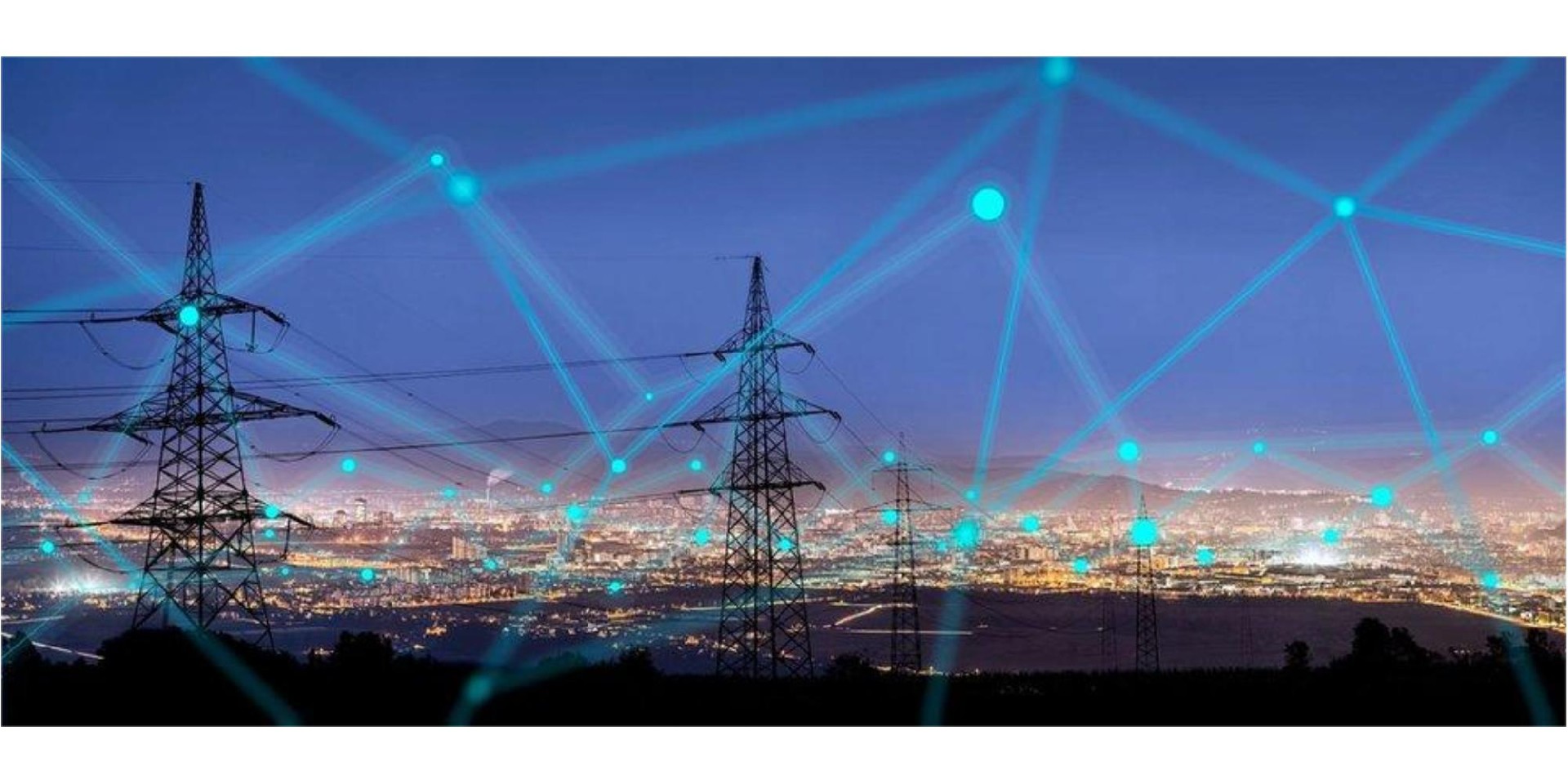
Schneider Electric also emphasizes the need to modernize Europe’s power infrastructure through smart grid development.
Key recommendations include:
Wider adoption of interoperable smart meters
Digitalization of electricity networks
Support for demand response systems and peak load balancing
Increased deployment of rooftop solar and energy storage systems
The company also advocates for reducing electricity-related taxes and simplifying approval processes for clean energy projects to accelerate investment.
Executive Perspective
Laurent Bataille, Executive Vice President for Europe Operations at Schneider Electric, stated that complacency is the greatest risk facing Europe’s energy system.
He emphasized that energy subsidies alone are a short-term solution and that structural reform is required to fundamentally transform how energy is produced and consumed across the continent.
Industry Outlook
The proposal aligns with broader European policy discussions on energy independence, decarbonization, and industrial competitiveness. As energy volatility continues to impact global markets, electrification and digital energy management are increasingly viewed as critical tools for long-term stability and sustainability.