Allen-Bradley 100S-C09EJ14C Safety Contactor Fault Symptoms
Time:2026-05-28 Browse: 22
Common field faults include:
Contactor coil fails to energize
Load not disconnecting on emergency stop
Auxiliary contacts not signaling PLC
Repeated chattering under load
In one real case, a metal stamping line reported repeated chatter during coil activation—initial suspicion was a faulty contactor, but diagnostics revealed wiring-induced undervoltage.
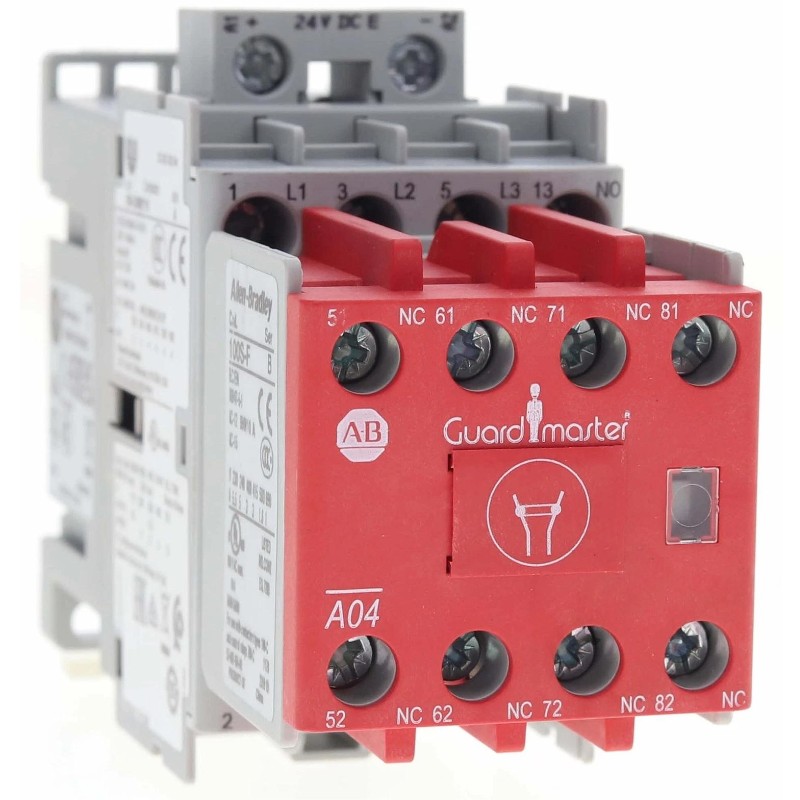
Allen-Bradley 100S-C09EJ14C Fault Diagnosis (Field Case)
Observed:
Coil voltage measured 18V instead of nominal 24V during startup
Control transformer under load dropped voltage temporarily
Chattering caused mechanical stress and false E-stop signals
This is typical in plants where safety relays share control power with other high-current loads.
Allen-Bradley 100S-C09EJ14C Root Cause Identification
Root causes often include:
Control voltage sag or ripple
Loose or oxidized terminal connections
Misaligned auxiliary contacts
Environmental contamination (dust/oil)
In our case, tightening terminals and isolating the control transformer circuit resolved the issue permanently.
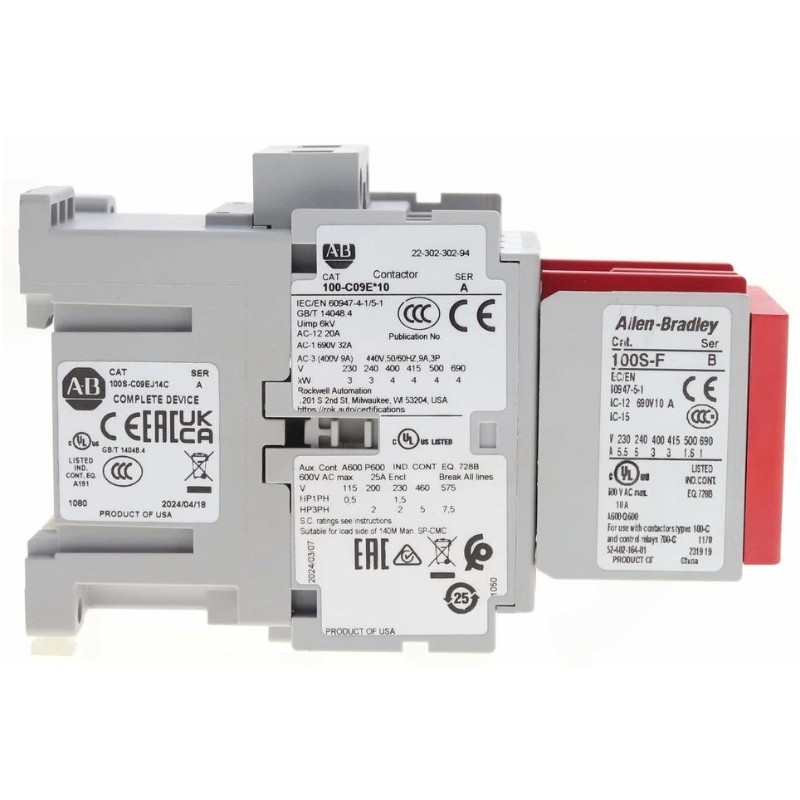
Allen-Bradley 100S-C09EJ14C Repair & Recovery Procedure
Steps to repair or prevent recurrence:
Verify control voltage with a multimeter or oscilloscope
Tighten coil and auxiliary terminals to recommended torque
Inspect and clean contact surfaces if contamination is present
Re-test E-stop operation and auxiliary contact signaling
If chattering persists, consider replacing contactor coil or relocating to less load-sensitive power circuit
After corrective action, the stamping line operated continuously for over 90 hours without further contactor faults.
Allen-Bradley 100S-C09EJ14C Field Reliability Notes
Experience indicates:
Proper torque and clean wiring are critical to avoid chattering
Coil undervoltage is the most common fault pattern
Auxiliary contact feedback must be tested in situ to ensure PLC safety interlocks operate correctly
Safety contactors are robust, but poor wiring practices cause most operational issues