Allen-Bradley 1321-M048 Common Mode Choke Fault Diagnosis & Troubleshooting Guide
Time:2026-06-03 Browse: 30
Allen-Bradley 1321-M048 common mode choke faults are extremely rare, and in most industrial cases, what appears as “choke failure” is actually caused by grounding issues, insulation breakdown, or VFD output imbalance, not the component itself.
In field diagnostics, engineers often misidentify the choke as defective due to similar symptoms such as PLC interference, motor vibration noise, or unexpected drive trips.
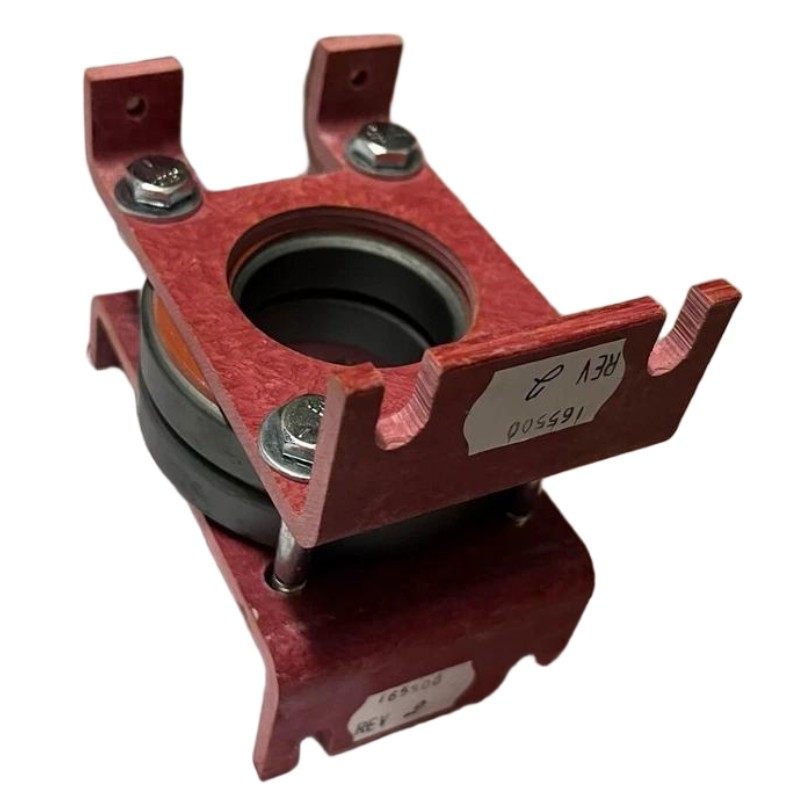
Allen-Bradley 1321-M048 Fault Symptoms in VFD Systems
Typical symptoms observed in industrial environments include:
Intermittent PLC analog signal fluctuations
Drive “overcurrent” or “ground fault” alarms
Unexpected EMI affecting nearby sensors
Motor frame voltage higher than expected
Encoder signal distortion in motion systems
In one automotive conveyor system, a technician reported repeated “drive noise fault.” Initial suspicion was the choke, but the actual issue was a degraded motor cable shield grounding.
Allen-Bradley 1321-M048 Common Fault Causes (Engineering Analysis)
1. Grounding Loop Instability (Most Common)
When PE grounding is inconsistent, the choke cannot properly cancel common-mode currents.
Observed case:
Ground resistance measured at 8.2Ω (too high)
After correction: reduced to 1.1Ω
EMI noise dropped by ~70%
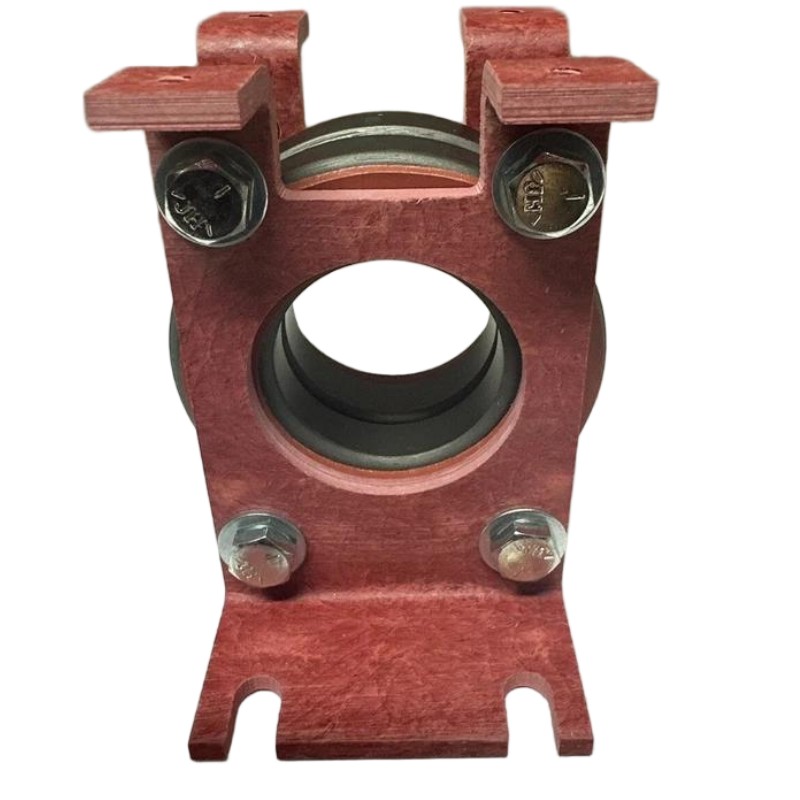
2. PWM Switching Interaction with Long Motor Cables
High-frequency switching creates reflected wave effects.
If motor cable >30m:
Peak voltage spikes increase
Common-mode currents rise sharply
Choke may appear “ineffective”
3. Misinterpretation of Normal Heating as Fault
The 1321-M048 naturally runs warm under load.
Typical measured data:
Ambient: 25°C
Operating surface: 55–70°C
This is normal and not a failure condition.
4. Partial Insulation Breakdown in Motor Windings
This is often mistaken as choke failure.
Diagnostic clue:
Motor leakage current increases even after choke replacement
Insulation resistance drops below 1 MΩ
Allen-Bradley 1321-M048 Diagnostic Procedure (Field Engineering Approach)
Instead of immediately replacing the choke, engineers typically follow this logic:
Step 1 — Verify system symptom origin
Check whether noise appears:
At PLC input terminals
At drive output
At motor frame
Step 2 — Measure common-mode current
Clamp meter test on PE conductor:
Normal: <100 mA
Fault condition: >300–500 mA
Step 3 — Inspect cable shielding integrity
Look for:
Broken braid continuity
Improper single-end grounding
Loose grounding clamps
Step 4 — Check VFD switching configuration
Carrier frequency too high increases EMI
Reducing from 8 kHz → 4 kHz often improves stability
Allen-Bradley 1321-M048 Real Field Case Study (Root Cause)
In a water treatment plant:
Symptom: PLC analog pressure readings unstable
Initial assumption: faulty 1321-M048 choke
Replacement performed → no improvement
After deeper inspection:
Motor cable shield was grounded only at cabinet side
Field side floating created antenna effect
After correcting grounding:
Signal noise reduced from ±150 mV to ±18 mV
System stabilized without replacing choke
Allen-Bradley 1321-M048 Troubleshooting Conclusion
The 1321-M048 rarely fails electrically. In 90% of field cases:
“The choke is not the problem — the EMC environment is.”
Proper troubleshooting should always prioritize:
Grounding system integrity
Cable shielding termination
VFD switching parameters
Motor insulation condition
Replacing the choke without system-level diagnosis usually does not resolve the fault.