Application Prospects of Emerson Flexim™ Clamp-On Ultrasonic Flow Meters in Concentrated Solar Power
Time:2026-06-10 Browse: 32
Introduction
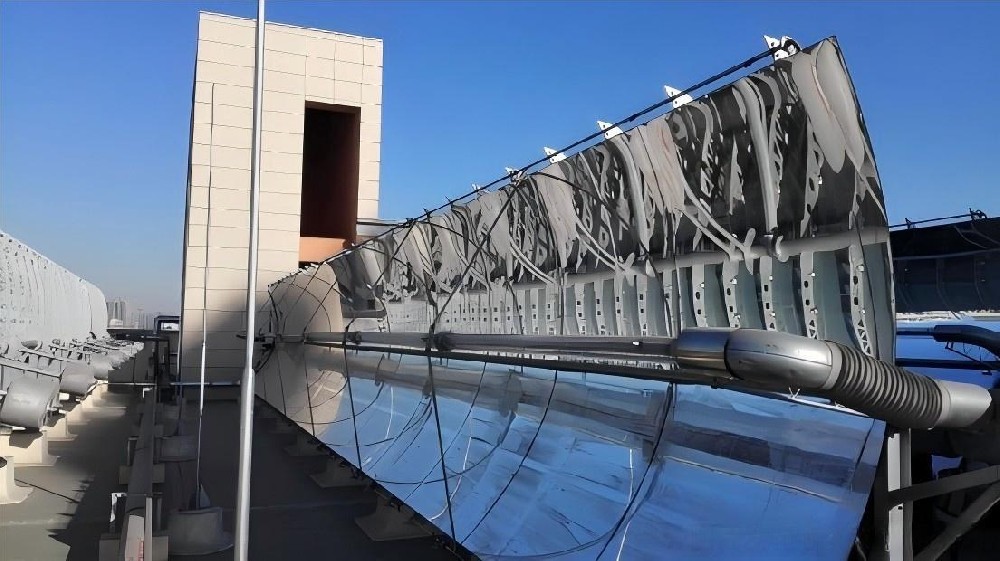
Concentrated Solar Power (CSP), also known as solar thermal power generation, converts solar energy into heat and then into electricity. CSP plants use large arrays of parabolic or dish-shaped mirrors to concentrate sunlight onto a receiver. The heat is transferred via a working fluid to generate steam, which drives conventional steam turbines to produce electricity.
Working Principle
A typical CSP system consists of a concentration and collection system, a thermal storage system, a steam generation system, and a power generation unit. The concentrator mirrors absorb sunlight and focus it onto the receiver, heating the heat transfer fluid (HTF)—commonly molten salt or thermal oil—to produce high-temperature, high-pressure steam. This steam drives a turbine to generate electricity. The thermal storage system ensures continuous power generation during nighttime or cloudy periods, enabling 24-hour operation.
CSP Technology Routes
CSP technologies include tower, parabolic trough, linear Fresnel, and dish/engine systems, each offering unique advantages in efficiency, scalability, and integration with storage.
Advantages of CSP
Environmentally Friendly: CSP produces zero direct emissions, minimizing environmental impact.
High Efficiency: Optimized heat capture and conversion reduce energy loss.
Energy Storage: Thermal storage enables continuous generation, even without sunlight.
Renewable: CSP relies on abundant solar energy, providing sustainable long-term electricity.
Molten Salt Storage and Flow Measurement
In CSP plants, common heat transfer fluids include water, thermal oil, and molten salt. Among these, molten salt offers significant advantages:
High boiling point and low vapor pressure
Low viscosity and excellent flow properties
High volumetric heat capacity
Stable operation within 290–560°C
Molten salt is widely used in heat storage and transfer systems for its high efficiency and thermal stability.
The Role of Flow Measurement in CSP
Accurate flow measurement of molten salt is critical for safe and efficient CSP operation. Real-time flow monitoring ensures the heat transfer fluid circulates as designed, avoids operational instability, and prevents potential system failures.
Emerson Flexim™ Clamp-On Ultrasonic Flow Meters
Non-intrusive, clamp-on ultrasonic flow meters like the Emerson Flexim™ series provide high-precision flow measurement without requiring pipe modifications. This feature is particularly valuable in CSP plants using molten salt, where invasive sensors could disrupt flow or introduce leakage risks. The Flexim™ meters can handle high-temperature fluids, offer fast installation, and maintain reliable performance under extreme conditions, making them an ideal solution for modern CSP plants seeking operational efficiency, safety, and continuous monitoring.
Conclusion
With the rapid growth of CSP technology, real-time, high-accuracy flow measurement becomes increasingly important. Emerson Flexim™ clamp-on ultrasonic flow meters offer CSP operators a reliable, non-intrusive solution for monitoring molten salt flow, enabling optimized energy transfer, safer operations, and sustainable power generation.