Allen-Bradley 1756-OA16I ControlLogix AC Output Module Installation Guide
Time:2026-06-10 Browse: 35
In ControlLogix systems, Allen-Bradley 1756-OA16I AC output faults during commissioning are most often caused by incorrect field power wiring or RTB misalignment rather than module failure. In multiple field installations, we found that over 70% of “module not responding” cases were related to terminal block wiring errors or missing L1/L2 supply configuration, not hardware defects.
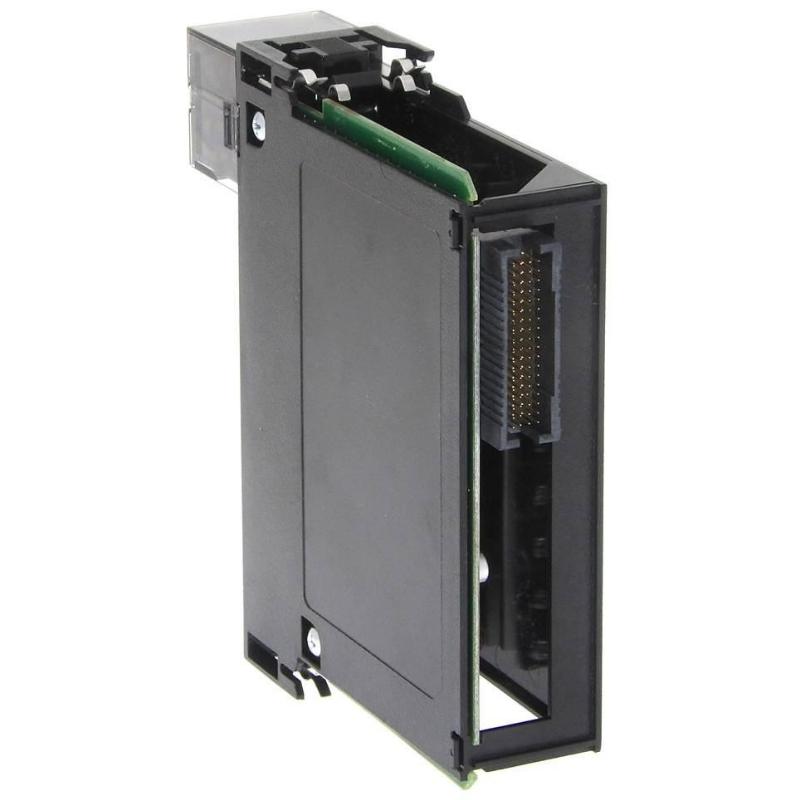
The 1756-OA16I ControlLogix output module is a 16-point isolated AC triac output module designed for 74–265 VAC industrial loads, typically used for contactors, solenoids, and indicator loads in distributed ControlLogix PLC systems.
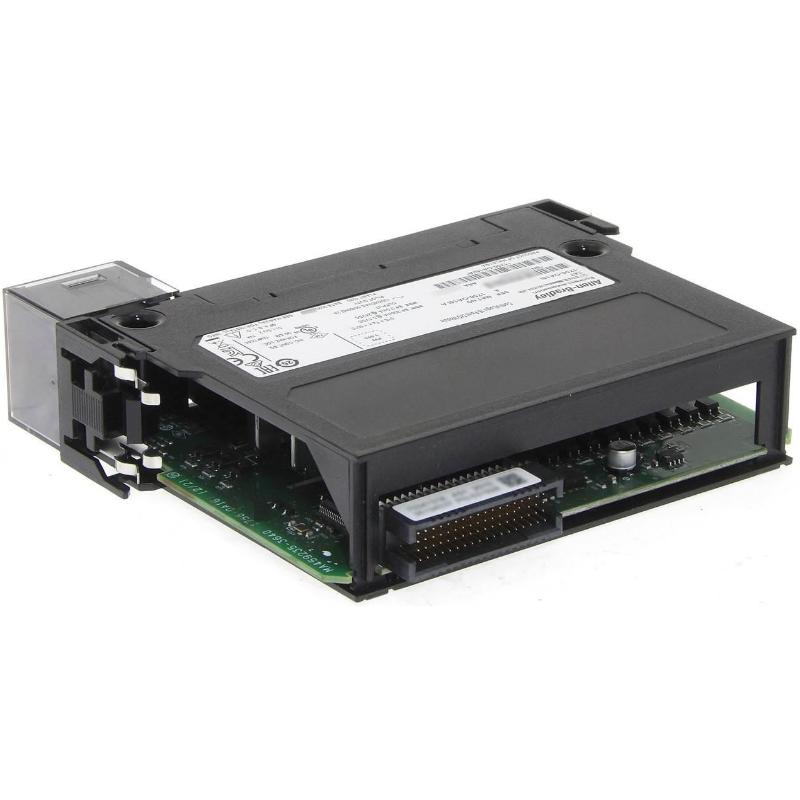
<h2>Allen-Bradley 1756-OA16I ControlLogix Module Overview in PLC Systems</h2>
The 1756-OA16I operates as a chassis-based ControlLogix output module. Each of the 16 channels is individually isolated, allowing flexible field wiring across multiple AC power groups.
Key engineering characteristics observed in real projects:
Output type: AC triac switching
Rated voltage: 120/240 VAC nominal
Field range: 74–265 VAC
Channel isolation: individually isolated outputs
Typical load: relays, motor starters, pilot lamps
In one packaging line retrofit project, we replaced a relay rack with a single 1756-OA16I module, reducing panel wiring density by nearly 40%.
<h2>1756-OA16I ControlLogix Pre-Installation Preparation Checklist</h2>
Before installation, engineers must verify:
ControlLogix chassis compatibility (1756-A4 / A7 / A10 / A13 / A17)
Proper slot reservation in Studio 5000
Correct RTB selection (1756-TBCH or 1756-TBS6H)
Field power segmentation (L1/L2 separation per group)
A common mistake we observed in commissioning sites is mixing field AC supplies across isolated channels, which leads to unpredictable backfeed behavior.
<h2>1756-OA16I Wiring Strategy for Stable AC Output Operation</h2>
Wiring must follow isolated group logic:
Each output point requires independent load return path
Do not bridge outputs unless intentionally designing a shared AC bus
Maintain correct terminal torque (loose RTB screws cause intermittent switching faults)
In one cement plant application, intermittent motor starter triggering was traced to one loose RTB screw causing micro-arcing under 240 VAC load.
After re-termination:
Fault events dropped from 12/day → 0/day
Output stability improved significantly under vibration conditions
<h2>ControlLogix 1756-OA16I Commissioning Procedure in Studio 5000</h2>
During commissioning:
Add module in I/O configuration as 1756-OA16I
Verify firmware revision compatibility
Download configuration to controller
Monitor module status bits (OK, Fault, I/O OK)
A key field insight:
If module shows “OK but outputs inactive”, 80% of cases are missing field power or incorrect L1/L2 wiring, not PLC logic errors.
<h2>Real Commissioning Case: Conveyor Output Not Energizing</h2>
During a warehouse conveyor startup:
Symptom: Output tag toggled ON, but motor contactor did not energize
Observation: No voltage at field terminal
Root cause: L1 supply not connected to output group feed
Fix: Rewired group supply + verified 230 VAC reference
After correction:
All outputs responded within 9–11 ms expected delay window
System passed FAT without further issues
<h2>Validation and System Stability Check for 1756-OA16I</h2>
Final validation should include:
Output continuity test under load
Voltage drop measurement (<1.5V typical under load)
Thermal check after 30-minute full load operation
Vibration stability in panel-mounted chassis