Schneider Electric Helps Modified Plastics Manufacturers Upgrade Competitiveness Amid EV Lightweight
Time:2026-07-08 Browse: 24
As the electric vehicle (EV) industry accelerates toward lightweight, intelligent, and high-performance development, modified plastics are becoming a critical material solution for reducing vehicle weight and improving energy efficiency. Schneider Electric is supporting modified plastics manufacturers in China by providing digital automation, process control, and energy management solutions to build more flexible, efficient, and sustainable production systems.
The rapid growth of electric vehicles has created new challenges for automotive manufacturers. Larger battery packs, advanced driver assistance systems, and increasingly intelligent vehicle configurations have continuously increased vehicle weight. Higher weight not only affects energy consumption and driving range but also places greater demands on tires, braking systems, and other key components.
Lightweight design is therefore evolving from an optional optimization strategy into a core factor influencing EV performance and market competitiveness.
However, EV lightweighting is not simply about reducing weight. Manufacturers must achieve a balance between vehicle safety, battery efficiency, performance, intelligence, and overall weight reduction. Modified plastics, with advantages including low density, high strength, design flexibility, and excellent processing adaptability, are becoming an important pathway for automotive lightweight applications.
This trend is creating new opportunities for the fine chemical and advanced materials industries while also requiring modified plastics manufacturers to improve their manufacturing capabilities.
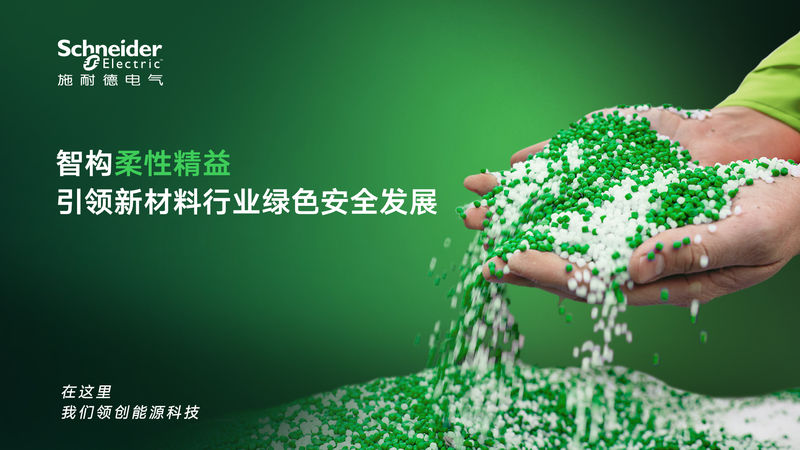
EV Lightweighting Drives New Requirements for Modified Plastics Production
The increasing demand for lightweight automotive materials is pushing modified plastics companies beyond traditional product competition toward comprehensive manufacturing capability competition.
Flexible production, consistent quality control, and green manufacturing are becoming key factors for suppliers seeking to enter high-end automotive supply chains.
As vehicle models continue to update faster and application requirements become more customized, automotive materials are no longer based on a single standardized formula. Modified plastics manufacturers must respond quickly to different material requirements from various vehicle platforms.
The production process of modified plastics involves multiple stages, including raw material weighing, compounding, extrusion, cooling, and pelletizing. During formulation, materials such as glass fiber and carbon fiber improve strength and rigidity, while rubber and thermoplastic elastomers enhance toughness and impact resistance.
Small variations in material ratios can significantly affect final product performance. In addition, fluctuations in temperature, pressure, and screw speed during extrusion can influence material dispersion and product consistency.
To meet increasingly strict automotive quality requirements, manufacturers need advanced automation and digital technologies to maintain stable production conditions and ensure consistent performance across different batches.
Digital Manufacturing Becomes Essential for Automotive Material Suppliers
The green development requirements of the EV industry are extending throughout the entire supply chain. Automotive manufacturers are increasingly focusing on carbon footprint management, energy efficiency, and sustainable production processes.
For modified plastics companies, improving product performance alone is no longer enough. They must also optimize energy consumption and reduce emissions throughout the manufacturing lifecycle.
At the same time, traceability has become an important requirement for suppliers entering premium automotive supply chains. Companies need complete data connectivity from raw material sourcing and production processes to finished product delivery, ensuring that every batch can be accurately tracked and analyzed.
This requires manufacturers to establish a digital production foundation that integrates process control, manufacturing execution, equipment monitoring, and energy management.
Schneider Electric Supports End-to-End Digital Transformation
To help modified plastics manufacturers respond to these challenges, Schneider Electric provides integrated digital solutions covering manufacturing execution, process automation, and energy management.
On the production side, Schneider Electric’s ProLeiT process control solutions combine Manufacturing Execution System (MES), Batch Management, and Process Control System (PCS) capabilities to support flexible and stable manufacturing operations.
The MES module manages production orders, process parameters, quality inspection data, and equipment status throughout the manufacturing process, improving production transparency and enabling full-process quality tracking.
The Batch Management module helps convert different material formulas into precise dosing instructions, reducing human errors during raw material preparation and improving product consistency.
During extrusion and other critical processing stages, PCS technology enables real-time monitoring and adjustment of key parameters such as temperature and pressure. This helps maintain stable process conditions, improve material mixing performance, and ensure reliable output quality.
By integrating process control systems with Modicon M580 PLC platforms, Schneider Electric helps manufacturers achieve efficient coordination between recipe management, production scheduling, and production line execution. This supports faster product changeovers and improves manufacturing flexibility.
Energy Management and Data Platforms Improve Operational Efficiency
Beyond manufacturing processes, Schneider Electric also helps companies optimize operational performance through digital energy management solutions.
The EMS+ energy management software enables manufacturers to monitor and analyze electricity consumption, steam usage, cooling systems, and other major energy-consuming processes. By understanding energy usage patterns, companies can identify optimization opportunities, improve energy efficiency, and support carbon reduction targets.
Through integration with the AVEVA PI System industrial data platform, production data from MES, PCS, and equipment layers can be collected, structured, and analyzed across different systems.
This unified data foundation allows manufacturers to create complete digital records for each batch of modified plastics products. It improves quality issue tracking, accelerates problem diagnosis, and provides valuable data for process optimization and energy-saving improvements.
Schneider Electric Helps Build the Future of Sustainable Material Manufacturing
The EV lightweighting trend represents a transition from rapid expansion toward higher efficiency, quality, and sustainability across the automotive supply chain.
For modified plastics manufacturers, future competitiveness will depend not only on material formulations but also on manufacturing flexibility, operational precision, and data-driven decision-making capabilities.
By combining industrial automation, process control, energy management, and digital technologies, Schneider Electric is helping advanced material manufacturers build more stable, efficient, and sustainable production systems to capture new opportunities created by automotive industry transformation.