Allen Bradley 150-C3NBR SMC-3 Smart Motor Controller Fault Diagnosis Guide
Time:2026-07-08 Browse: 20
Allen Bradley 150-C3NBR SMC-3 Fault Symptoms During Motor Startup
Allen Bradley 150-C3NBR startup failures are often caused by incorrect motor parameters, overload conditions, or control circuit problems rather than a damaged controller. A proper Fault Diagnosis process should begin with signal verification, current measurement, and system configuration review.
The SMC-3 Smart Motor Controller may show symptoms such as:
Motor fails to start
Fault LED indication
Unexpected shutdown during acceleration
Excessive starting current
Motor vibration during ramp-up
This Troubleshooting Guide explains a practical method used by engineers to identify common 150-C3NBR failures in industrial environments.
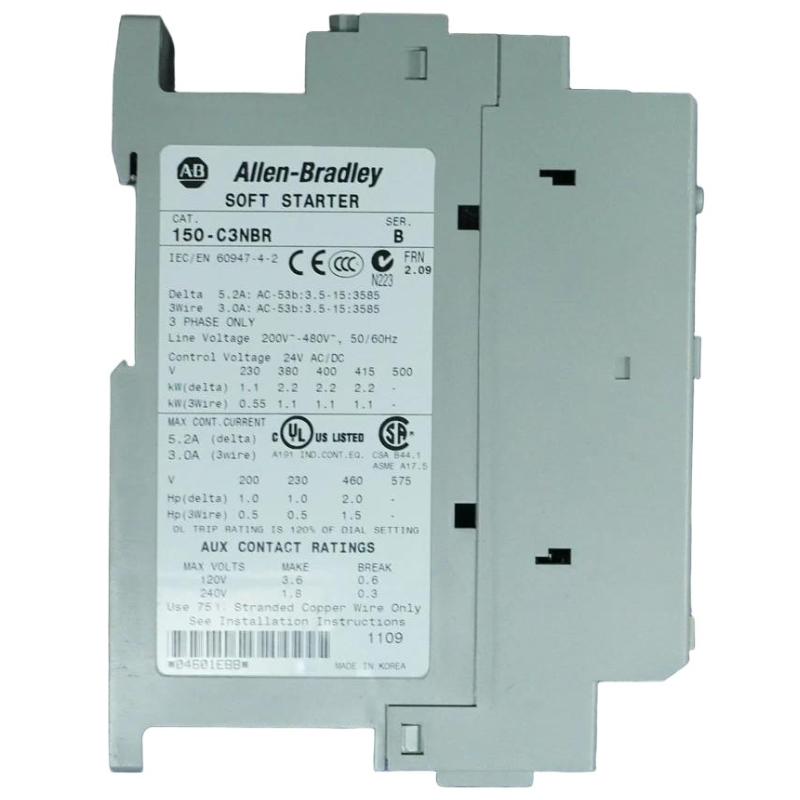
Field Case Analysis of Allen Bradley 150-C3NBR Motor Controller Failure
In one manufacturing facility, an Allen Bradley 150-C3NBR controlled conveyor motor stopped randomly after several seconds of operation.
The initial assumption was a faulty PLC Controller output because the start command disappeared from the operator interface. However, field inspection showed that the PLC signal remained active.
Diagnostic measurements showed:
Control voltage: 24 VDC normal
Three-phase input voltage: 398/401/399 VAC
Motor running current: 46 A
Motor rated current: 32 A
The investigation showed that the motor was overloaded due to a mechanical blockage in the conveyor system.
Allen Bradley 150-C3NBR SMC-3 Overload Fault Diagnosis Process
When an overload fault occurs, engineers should avoid replacing the Module immediately.
A practical troubleshooting sequence includes:
Confirm motor nameplate current.
Measure actual operating current.
Check mechanical load conditions.
Review overload adjustment settings.
Verify acceleration parameters.
If current rises quickly after startup, the problem is often related to mechanical resistance or incorrect ramp settings.
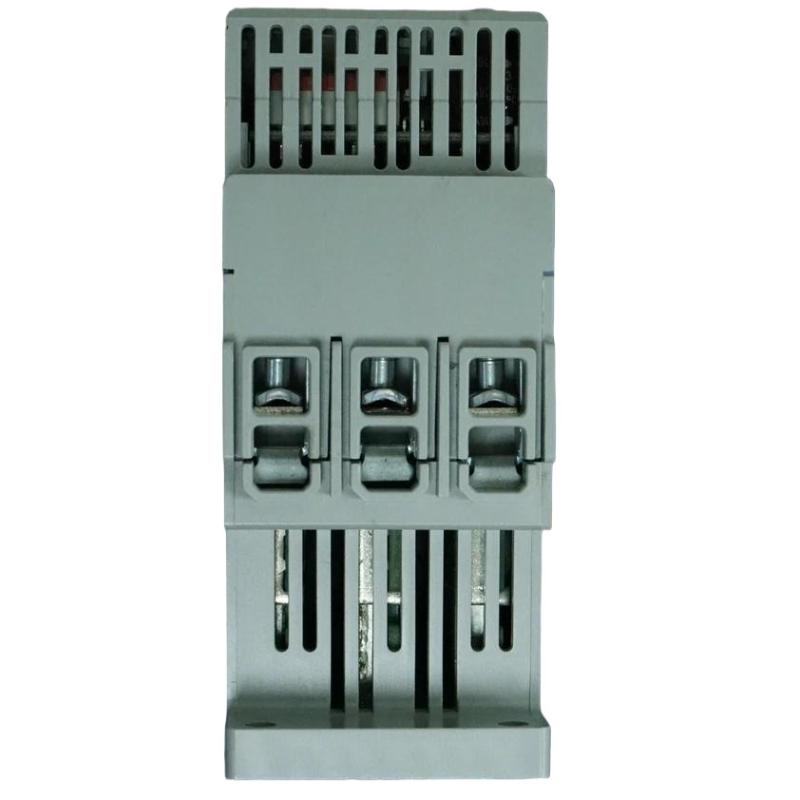
Allen Bradley 150-C3NBR Communication and Control Signal Troubleshooting
Although the SMC-3 is primarily a motor controller, many installations connect it with PLC-based control systems.
Common control faults include:
PLC output relay failure
Incorrect input wiring
Loose terminal connections
Incorrect System Configuration parameters
A useful diagnostic method is comparing command signals:
PLC command = ON
↓
SMC-3 input detected = ON
↓
Motor current response observed
If the first two conditions are correct but motor current remains zero, engineers should focus on the power section.
Allen Bradley 150-C3NBR Module Failure Identification Methods
A hardware failure should only be considered after external causes are eliminated.
Typical checks include:
Inspecting semiconductor damage signs
Checking abnormal heating points
Reviewing repeated fault records
Comparing operation with a known-good controller
During another repair investigation, a controller showed repeated thermal trips. Infrared inspection identified an abnormal hot spot near the power terminals. After replacing damaged connections, operating temperature decreased from 72°C to 49°C.
Allen Bradley 150-C3NBR Troubleshooting Strategy for Industrial Repair
Experienced technicians usually follow a fault isolation approach:
Power problem → Wiring problem → Parameter problem → Load problem → Hardware problem
This prevents unnecessary replacement of expensive motor control equipment.
For Allen Bradley 150-C3NBR SMC-3 Smart Motor Controller repair, accurate Fault Diagnosis depends on measurement data rather than replacing components based only on alarm messages.
Long-Tail Keywords for Allen Bradley 150-C3NBR Troubleshooting Guide
This troubleshooting article covers:
Allen Bradley 150-C3NBR SMC-3 fault diagnosis
Smart Motor Controller startup failure troubleshooting
Allen Bradley soft starter overload repair
Industrial PLC Controller motor fault analysis
SMC-3 module maintenance procedure
Correct diagnostics reduce downtime and improve industrial motor system reliability.