Allen Bradley 1606-XL480E-3 Power Supply Output Voltage Drop Fault Diagnosis and Troubleshooting
Time:2026-07-27 Browse: 34
Allen Bradley 1606-XL480E-3 Power Supply output voltage drops are commonly associated with overload conditions, loose terminals, excessive cable resistance, or deteriorating field wiring rather than an internal hardware failure. Effective Troubleshooting requires analyzing the entire power distribution path before replacing the unit.
Allen Bradley 1606-XL480E-3 Power Supply Fault Symptoms
Engineers may observe one or more of the following conditions:
PLC controller restarts unexpectedly
HMI screen flickers during machine startup
Remote I/O modules disconnect intermittently
Industrial Ethernet switches reboot
DC voltage fluctuates during heavy equipment operation
Alarm history records repeated undervoltage events
These symptoms often occur only when the production line reaches peak electrical load.
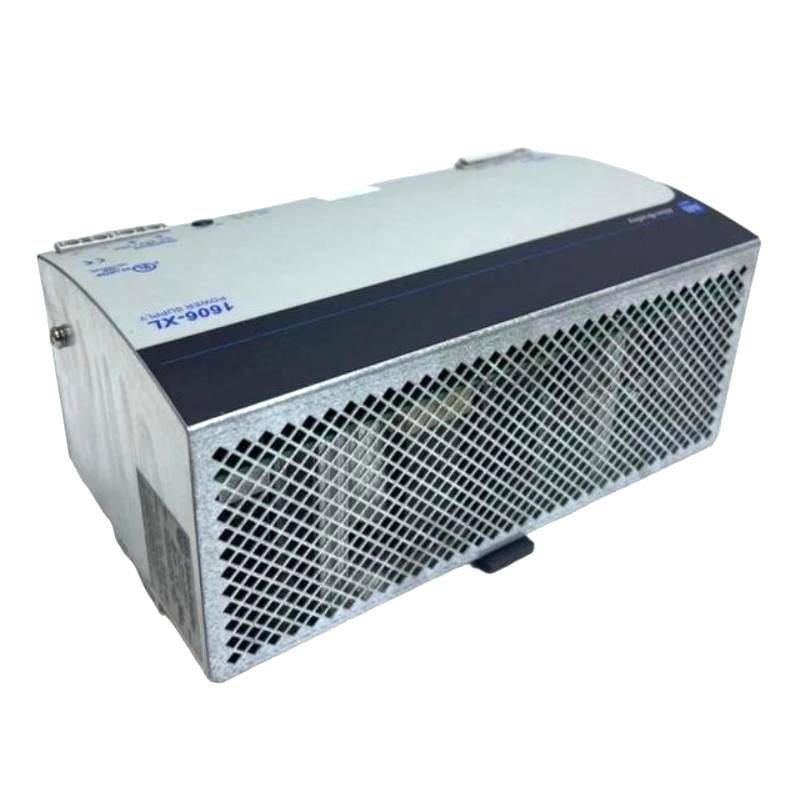
Allen Bradley 1606-XL480E-3 Fault Diagnosis Process
A practical Fault Diagnosis begins with electrical measurements instead of component replacement.
Typical inspection sequence:
Measure AC input voltage.
Verify the 24 VDC output without load.
Measure output voltage under maximum load.
Inspect terminal heating using an infrared thermometer.
Check voltage drop across output wiring.
Disconnect non-essential loads one by one.
Observe whether voltage returns to normal.
This process quickly distinguishes between a power supply issue and an external load problem.
Common Causes Found During Troubleshooting
Field investigations frequently identify issues such as:
Loose output terminals
Excessive current demand
Damaged DC distribution cables
Corroded terminal blocks
Poor cabinet ventilation
Improper grounding
Aging relay coils creating transient current peaks
Replacing the power supply before verifying these conditions often fails to resolve the fault.
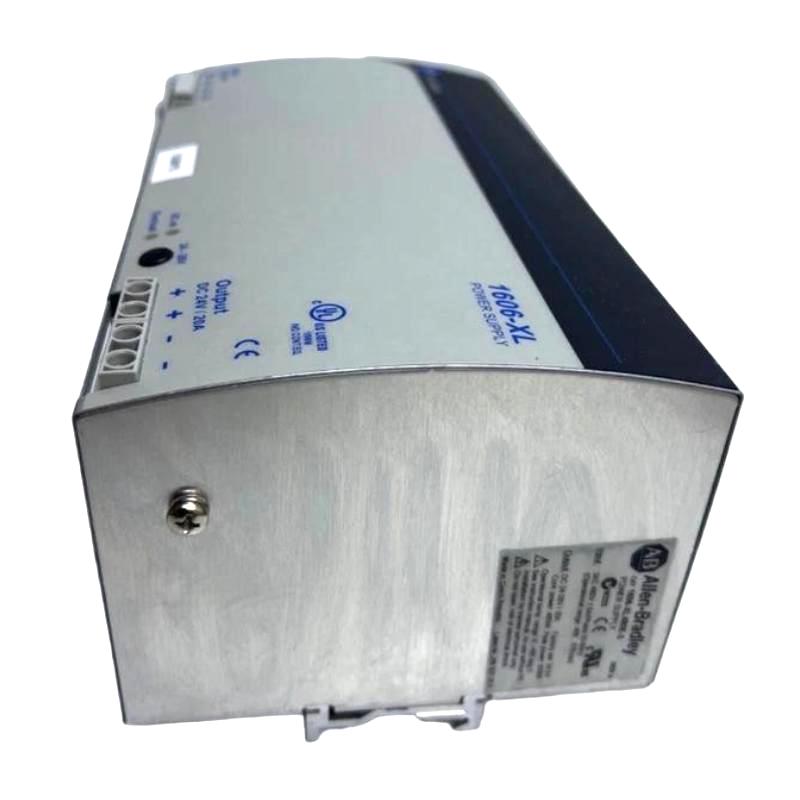
Real Field Case of Allen Bradley 1606-XL480E-3 Fault Recovery
In one packaging plant, operators reported that several servo drives shut down randomly during shift changes.
Measurements indicated that the power supply output briefly dropped to 22.0 VDC whenever multiple pneumatic valves energized simultaneously.
Engineers initially suspected the power supply, but current measurements showed the connected load had increased to nearly 22 A, exceeding the intended continuous operating margin.
After redistributing several field devices to an additional DC power supply, the output remained stable at 24.1 VDC during full production.
The intermittent shutdowns disappeared without replacing the original power supply.
Allen Bradley 1606-XL480E-3 Preventive Maintenance Recommendations
Long-term reliability can be improved by incorporating these maintenance practices into routine inspections:
Inspect terminal tightness every six months.
Measure output voltage during full-load production.
Remove dust from ventilation openings.
Check cabinet temperature during summer operation.
Inspect grounding continuity.
Record current consumption after equipment modifications.
Review system loading whenever new PLC modules or field devices are added.
Consistent preventive maintenance reduces unexpected downtime and improves the overall stability of the industrial power distribution system.