Schneider Electric Launches Impact 2030 Sustainability Roadmap, Driving Energy Transition Through Di
Time:2026-07-31 Browse: 12
July 31, 2026 — Schneider Electric has launched its new Impact 2030 Sustainability Roadmap, outlining the company’s global sustainability targets and highlighting the role of digital technologies, artificial intelligence (AI), and industrial automation in accelerating the energy transition.
Under the Impact 2030 plan, Schneider Electric aims to help customers reduce and avoid 1.5 billion tonnes of carbon dioxide emissions by 2030. The initiative focuses on advancing electrification, improving energy efficiency, supporting industrial transformation, and enabling more sustainable operations through innovative technologies.
Schneider Electric emphasized that technology innovation will play a critical role in supporting global energy transformation and the development of modern power systems. By combining electrification, automation, and digital solutions, industries can move toward cleaner, more efficient, and smarter energy production and consumption models.
At the launch event, Schneider Electric highlighted how artificial intelligence and lean management are being applied across its global supply chain to improve operational efficiency. AI-powered solutions are helping connect different stages of the supply chain, optimize production processes, and improve manufacturing performance.
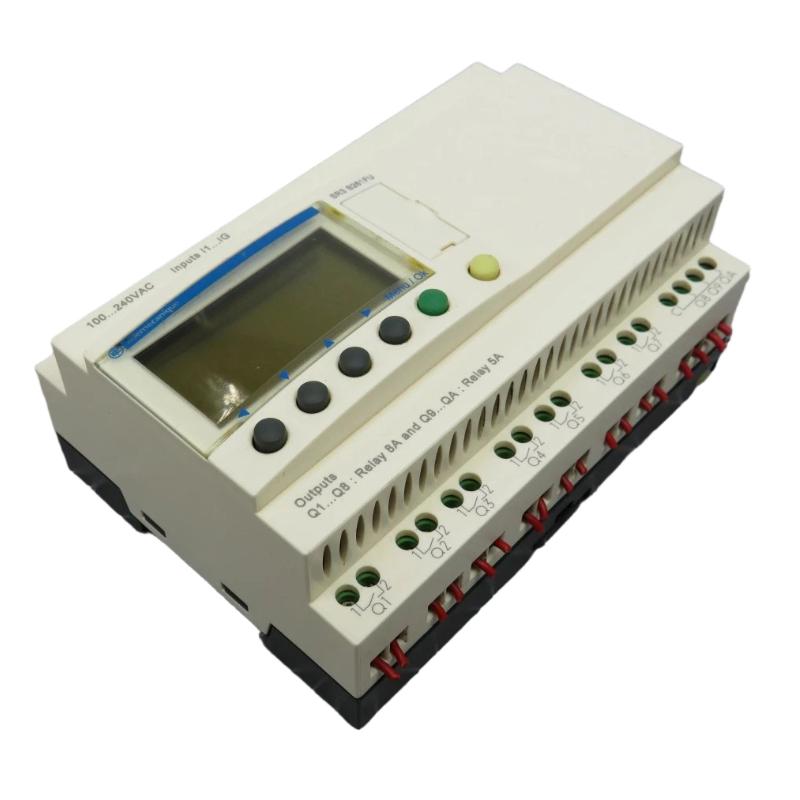
The company’s Shanghai Putuo Lighthouse Factory is one example of AI-driven manufacturing transformation. Through advanced digital technologies and intelligent management systems, the facility has achieved significant improvements, including an 82% increase in per-capita productivity and a 67% reduction in order production and delivery time.
Schneider Electric’s Beijing campus is also applying AI technology to support supply chain decarbonization. The campus has developed a digital carbon management platform for suppliers, enabling them to track, analyze, and manage carbon emissions throughout their operations.
Powered by AI algorithms, the platform can automatically generate carbon emission diagnostic reports and provide online self-service tools to help suppliers reduce their carbon footprint. According to Schneider Electric, participating suppliers have achieved a 57.7% reduction in carbon emissions through these digital carbon management initiatives.
In addition, Schneider Electric plans to standardize and replicate the software platforms, AI algorithms, and Lighthouse Factory practices developed at its Beijing campus. These solutions will be gradually deployed across more factories and customer sites, helping enterprises from different industries accelerate digital transformation and sustainable development.
For the industrial automation market, Schneider Electric’s Impact 2030 roadmap demonstrates how AI, industrial software, energy management systems, and smart manufacturing technologies are becoming key drivers of low-carbon industrial development. The integration of automation and sustainability solutions is expected to play an increasingly important role in building future-ready factories and resilient energy systems.
As global industries continue to focus on energy efficiency and carbon reduction, Schneider Electric’s latest sustainability strategy highlights the growing importance of intelligent manufacturing technologies in achieving long-term environmental and operational goals.