Schneider Electric Enables High-Quality Development in the Agrochemical Industry Through Digitalizat
Time:2026-06-11 Browse: 42
Keywords: agrochemical industry digital transformation, smart manufacturing, Schneider Electric agriculture solutions, process automation chemicals, energy management EMS+, AVEVA PI System, industrial sustainability, advanced process control
Driving New Productivity in Agriculture with Digital and Intelligent Technologies
Schneider Electric has outlined a comprehensive digitalization and automation framework aimed at accelerating high-quality development in the agrochemical sector. The initiative focuses on improving efficiency, quality stability, sustainability, and decision-making capabilities across the industry’s value chain.
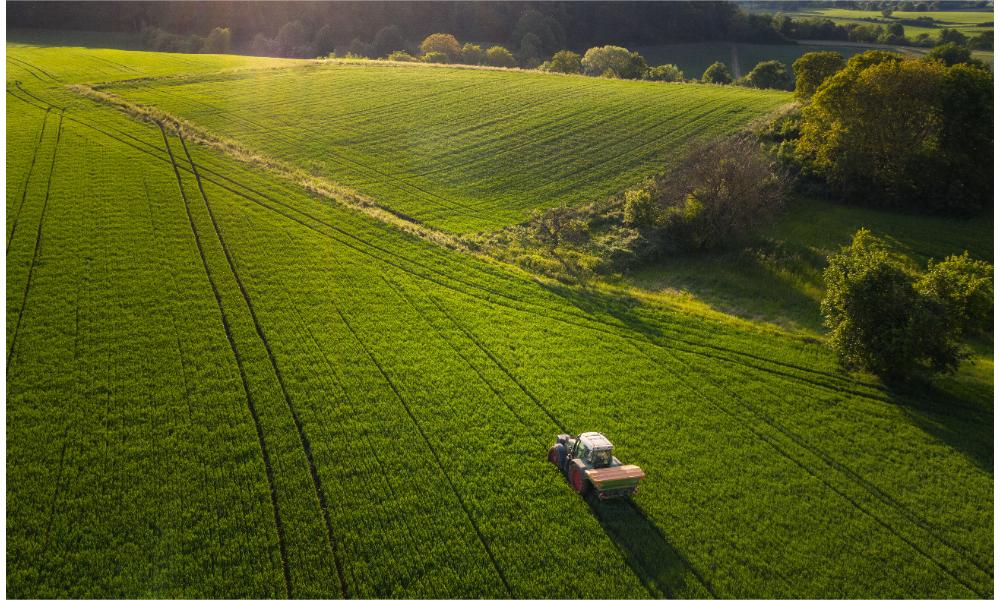
As agriculture increasingly shifts toward smart, precise, and green production models, agrochemical manufacturing—covering pesticides, herbicides, and plant growth regulators—is also undergoing a deep transformation driven by digital technologies and advanced automation systems.
Agrochemical Industry Faces Structural Transformation Challenges
The agrochemical industry plays a critical role in global food security, with products directly influencing crop yield, quality, and agricultural productivity. However, the sector is currently facing multiple structural challenges:
Rising regulatory pressure and stricter environmental compliance requirements
Volatile raw material costs and uncertain global supply chains
Increasing complexity in pest resistance and climate-driven variability
High energy consumption and emissions in chemical production processes
Fragmented operational data and limited digital integration across production systems
Heavy reliance on manual operations affecting efficiency and consistency
Weak traceability systems limiting quality control and export compliance
These challenges highlight the urgent need for a shift from experience-based operations to data-driven, intelligent manufacturing systems.
Four Strategic Pathways to Enable Industry Transformation
Schneider Electric proposes a four-pillar framework to support agrochemical enterprises in building next-generation productivity:
1. End-to-End Digitalization for Operational Efficiency
Traditional agrochemical production systems often suffer from fragmented data and limited visibility across procurement, manufacturing, inventory, and sales.
Schneider Electric’s AVEVA PI System integrates data from MES, PCS, and other industrial systems into a unified operational data architecture. This enables:
Full lifecycle traceability for each production batch
Real-time visibility of raw materials, production processes, and equipment status
Improved regulatory compliance and product traceability
Enhanced protection of proprietary formulation data
Combined with batch recipe management solutions, enterprises can strengthen intellectual property protection and reduce the risk of formula leakage.
2. Advanced Process Control for Safety and Product Consistency
Agrochemical production involves hazardous materials such as flammable solvents and toxic gases, making operational stability and safety critical.
Schneider Electric applies EcoStruxure Advanced Process Control (APC) to optimize complex chemical processes. For example, in glyphosate distillation operations:
Key process fluctuations reduced by over 30%
Tower pressure variability reduced by 42%
Operator intervention frequency reduced by 95.2%
These improvements significantly enhance both process safety and product quality consistency.
In addition, integrated gas detection and personnel tracking systems further strengthen operational safety in high-risk environments.
3. Green Manufacturing and Energy Management for Sustainability
Agrochemical production is energy-intensive, relying heavily on steam, electricity, and cooling systems. Improving energy efficiency is therefore essential for cost reduction and carbon emission control.
Schneider Electric’s EMS+ Energy Management System enables enterprises to:
Monitor energy consumption at granular levels
Identify abnormal energy usage patterns
Optimize steam and electricity utilization
Reduce unit production energy consumption and emissions
This supports the industry’s transition toward low-carbon and sustainable manufacturing.
4. Intelligent Operations for Faster and Smarter Decision-Making
Agrochemical demand is highly seasonal and influenced by pest outbreaks, weather changes, and regional agricultural conditions. This creates significant challenges in production planning and supply chain coordination.
Schneider Electric’s AVEVA Unified Operations Center enables integrated decision-making by:
Breaking down data silos across departments
Connecting market demand with production planning
Enabling real-time operational coordination
Supporting AI-driven demand forecasting using historical and environmental data
This allows enterprises to shift from reactive production to proactive planning, improving inventory turnover and market responsiveness.
Industry Collaboration and Digital Transformation Case
Schneider Electric has collaborated with leading agrochemical enterprises, including Syngenta China, across consulting, production operations, and R&D digitalization initiatives.
At production bases in Nantong and Kunshan, integrated MOM, IoT, automation, and intelligent power distribution systems have been deployed, enabling:
Standardized digital manufacturing frameworks
Improved production traceability and logistics efficiency
Scalable digital transformation models across multiple plants
These implementations provide a replicable blueprint for industry-wide modernization.
Conclusion: Toward a Smart, Green, and High-Efficiency Agrochemical Industry
From field-level agriculture to industrial-scale chemical production, digital transformation is becoming a core driver of modernization. Schneider Electric’s integrated approach—spanning automation, energy management, advanced analytics, and industrial software—supports agrochemical enterprises in building:
More efficient production systems
More stable product quality
More sustainable manufacturing processes
More intelligent and responsive operations
This positions the industry for a new phase of digital, low-carbon, and high-quality development.