Honeywell TC-RPSC03 Redundant Power Cable Intermittent Power Loss Troubleshooting Guide
Time:2026-06-11 Browse: 31
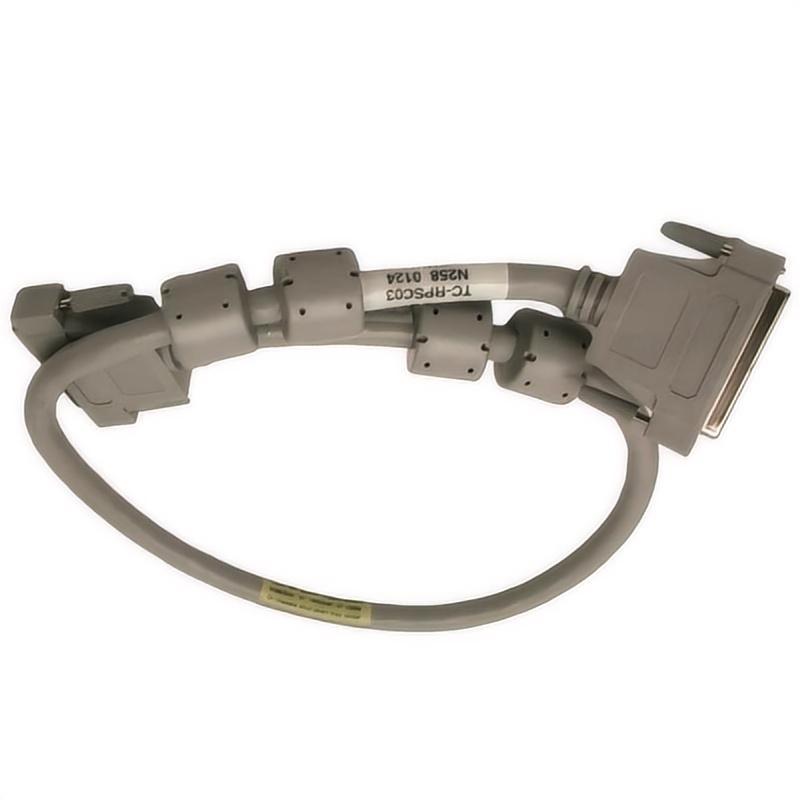
Honeywell TC-RPSC03 redundant power cable faults in Experion LS systems are typically misdiagnosed as power supply failure or PLC module defects, while the real root cause is usually connector degradation, micro-contact oxidation, or chassis adaptor mismatch.
Honeywell TC-RPSC03 Fault Symptoms in Experion LS Systems
Typical field symptoms include:
PLC controller reboot during load transfer
Random I/O module dropout
Redundancy LED flickering on power chassis
24 VDC backplane voltage fluctuation (23.2–24.8 V range instability)
Communication loss on ControlNet gateway modules
In one refinery control system, we observed repeated “ghost resets” every 6–8 hours. Initial diagnosis pointed to CPU fault, but root cause was a partially seated TC-RPSC03 connector on PS2 side.
Fault Thinking Process (Engineering Diagnosis Path)
Instead of replacing modules immediately, we apply this logic:
Step 1: Determine if failure is electrical or mechanical
→ Check if both redundant supplies fail simultaneously
Step 2: Isolate redundancy behavior
→ Remove one supply and observe system stability
Step 3: Inspect TC-RPSC03 physical layer
→ Cable continuity + connector pin integrity
This structured Fault Diagnosis approach reduces unnecessary PLC Controller replacement by over 60% in field maintenance cases.
Root Causes of TC-RPSC03 Failures
1. Connector Micro-Oxidation
Humidity in control cabinets leads to oxidation on female connector contacts. This increases contact resistance and causes voltage dips under load.
Observed resistance increase: from <0.05 Ω to ~0.8 Ω
Result: backplane voltage drop during switching events
2. Mechanical Stress from Cable Routing
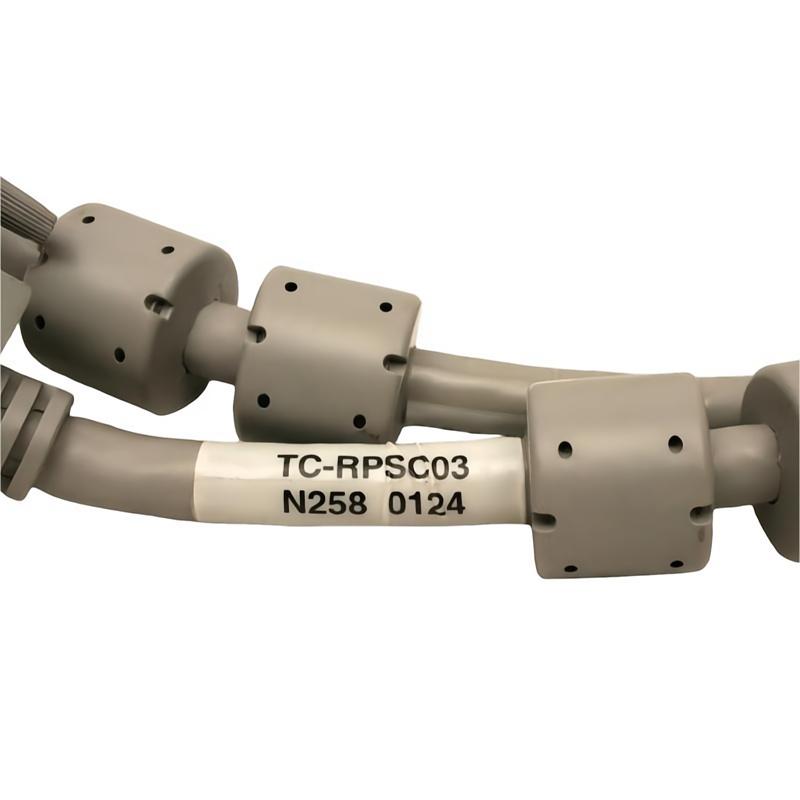
If TC-RPSC03 is bent beyond recommended radius:
Internal conductor fatigue occurs
Intermittent open-circuit appears only under vibration
This is commonly seen in skid-mounted PLC enclosures with continuous vibration >3 mm/s.
3. Redundant Supply Imbalance
When one supply ages faster:
Load sharing becomes asymmetric
TC-RPSC03 carries unstable differential current
Leads to periodic reset events
Diagnostic Procedure (Field Method)
Step 1: Voltage Drop Test
Measure at both ends of TC-RPSC03:
Expected: <0.2 V drop under load
Fault indication: >0.6 V drop
Step 2: Wiggle Test (Controlled)
Slight mechanical movement of cable:
If PLC resets → connector integrity issue
If stable → downstream module fault likely
Step 3: Swap Test Between PS1 and PS2
If fault follows cable → TC-RPSC03 issue confirmed
If fault remains → power supply or chassis issue
Real Case Study (Commissioning Failure in Chemical Plant)
During a DCS upgrade:
Symptom: intermittent ControlNet gateway reset
Initial assumption: faulty gateway module
After 2 days of diagnostics: TC-RPSC03 cable found partially seated on RPSCA1 adaptor
Correction: reseating + connector cleaning
Result: system stability restored; downtime reduced from 12 hours/day to zero
Repair & Recovery Actions
Replace TC-RPSC03 if resistance instability persists
Clean connector using approved electronic contact cleaner
Replace chassis adaptor if pin wear detected
Re-route cable to reduce vibration exposure
Preventive Maintenance Strategy
To avoid recurring TC-RPSC03 faults:
Inspect connectors every 6–12 months
Monitor backplane voltage trends in PLC diagnostics
Avoid mixing legacy and new redundant power systems
Log redundancy switching frequency (should be near zero in healthy system)
Summary
Most Honeywell TC-RPSC03 redundant power cable failures are not true cable breakdowns, but field-level mechanical and contact issues. Proper Fault Diagnosis methodology—combining voltage measurement, physical inspection, and redundancy isolation—ensures accurate Troubleshooting and prevents unnecessary PLC module replacement.